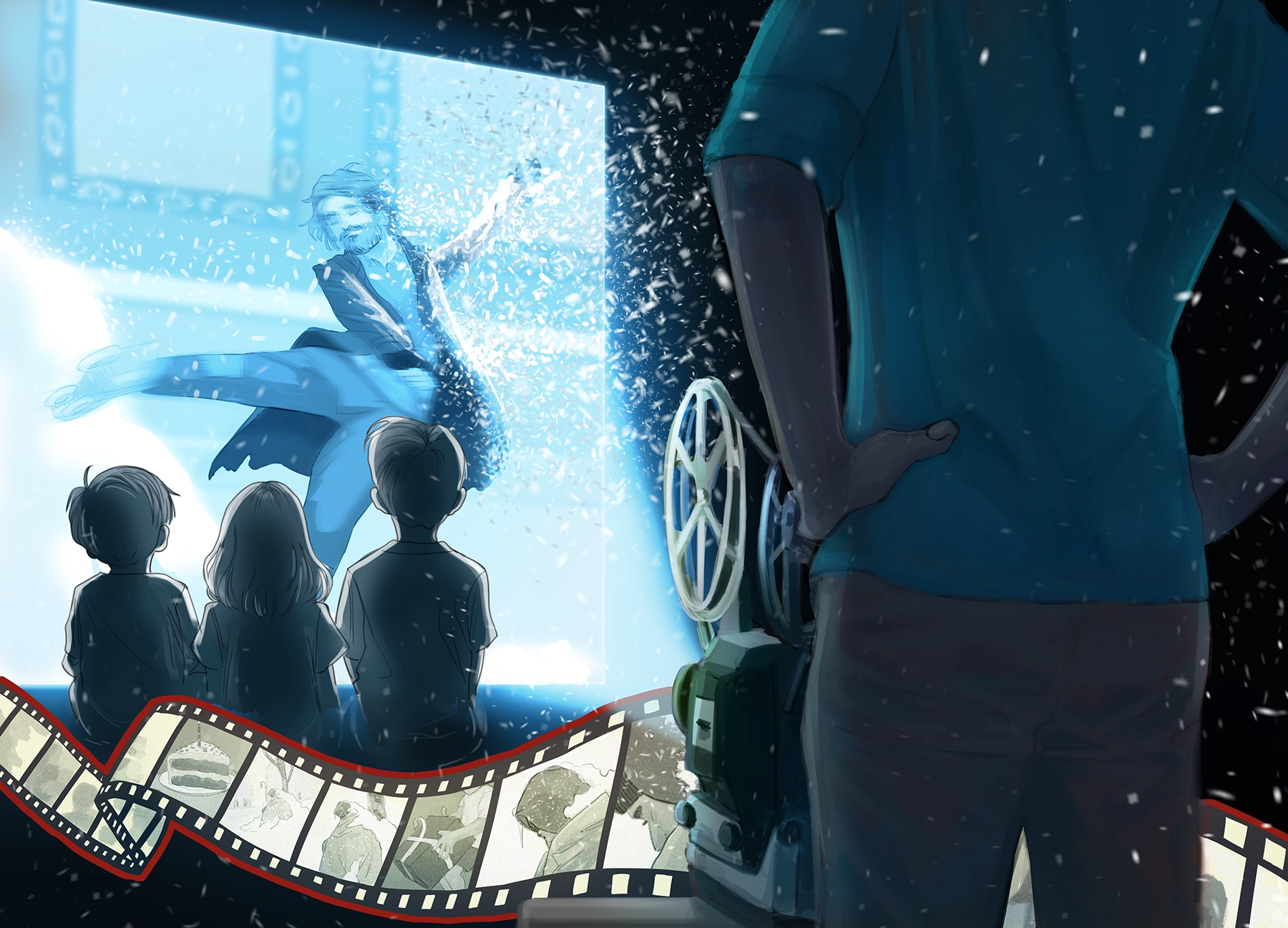
Chaplinesque I didn’t know when we watched Chaplin’s little tramp dancing in The Rink on my ninth birthday, me surrounded by my friends and laughing, and you standing so tall, manning our Super-8 projector in the dark, that one day I would be asking a bank and store owners 300 miles away if they had any silent footage…
This post is only available to members.
The Fastest Man Alive
When classroom discourse turns to superheroes, and more importantly, who can kick whose ass, Brahiem takes up for The Flash— for “Bair-ee Allen,” he says in a gravelly bass, the Scarlet Speedster, the Fastest Man Alive, and just like the Silver Age Flash, Brahiem favors red and makes an entrance, lumbering into tenth-grade English late,…
This post is only available to members.
Behind the Facade
A Community Feature with Soul in Space
A hub for education and wellness, Soul in Space offers outreach to Black and Indigenous communities through workshops, wellness classes, and a literary magazine. Created in 2019 by CEO Sen Kathleen—writer, yoga instructor, and Reiki practitioner—their publication explores conversations surrounding decolonization, Black Liberation, and Indigenous Sovereignty and was created to cultivate community and carve out space for Black and Indigenous writers. The hope is, as this space expands, it becomes a safe space to grow, create, and share experiences. A place to encourage Black and Indigenous writers to break out of the box, the settler mindset, and heal. Because everyone deserves a space.
The Revolution Will Rhyme
by Jillian Hanesworth
The revolution will not be televised
The revolution will not be streamed live on Facebook, Twitter, or IG TV
You will not be able to start it over if you missed a part
And you won’t need to tap it twice to see its heart
The revolution will not be brought to you by Nike, the NFL, or Jay-Z
We will watch it succeed in HD without taking a knee
The revolution will not be televised
The revolution will be live
The revolution will thrive
And the revolution will rhyme
The revolution will be led by black women who are just tired enough to do it ourselves
It will be rhythmic enough for us to follow the beat
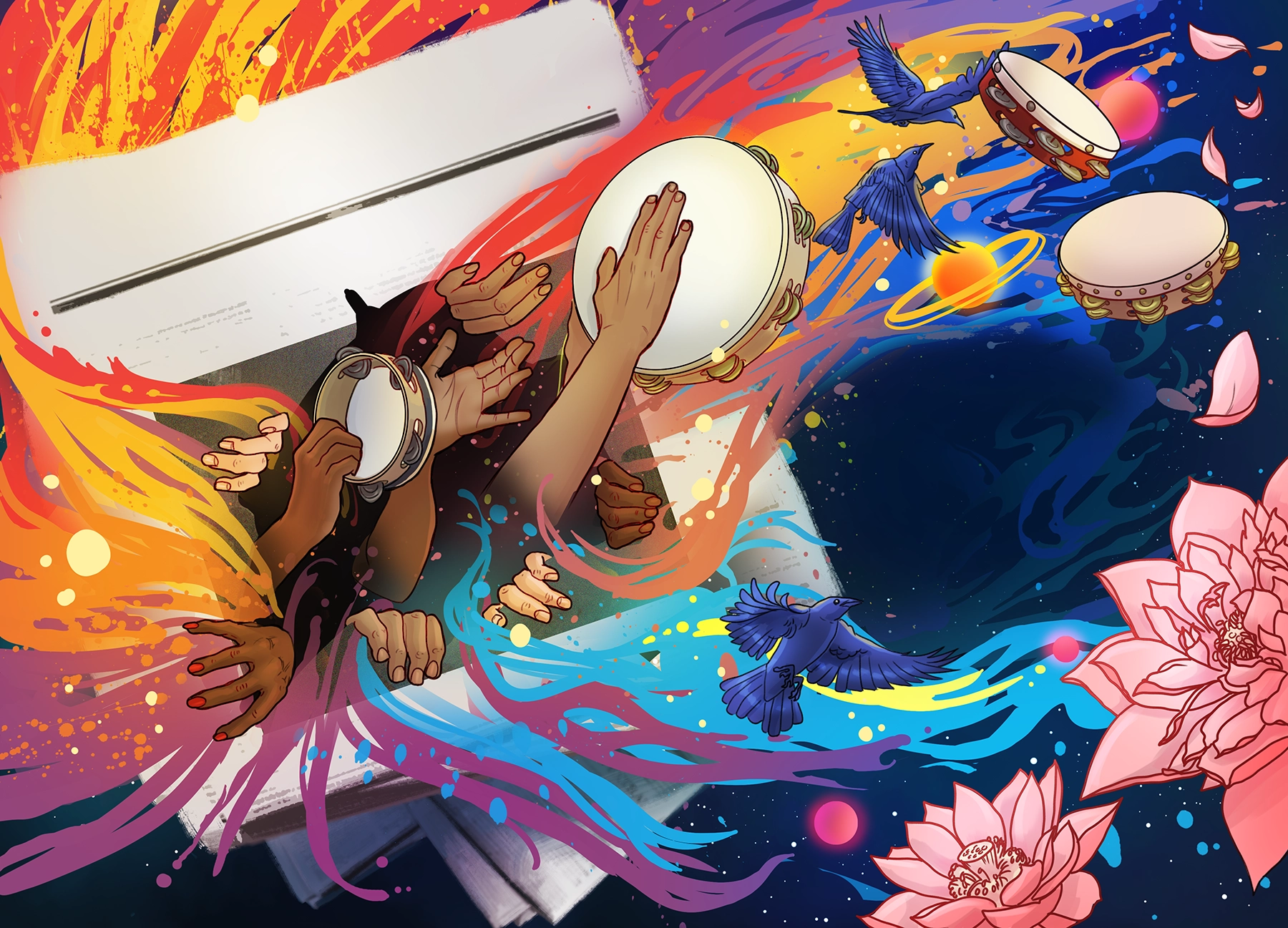
Using drums and tambourines focusing on the two and four beats
Like a secret language that comes naturally
It will get louder when it’s calling for the people’s attention
And quieter when it wants the people to listen
People listen
The revolution will be direct and unwavering without concern of being looked at as angry
It will be as big and natural as a Black Panther’s afro without worrying about opportunity
It will be as interwoven as locs but there will be nothing dreadful about it
And when light shines on the revolution it will create a halo around it
The revolution will rhyme
It will be syncopated
It will harmonize
It will be call and repeat
The revolution will rhyme
The revolution will leave no man behind
It will not be developed just to be displaced
Its focus will not be extracted and refocused or repurposed
And the burden of education and comfort will not be placed on the oppressed
While understanding and tolerance is gifted to the oppressor

You will not be able to binge watch the revolution
Rewinding the comfortable triumphs and fast forwarding through the hurt
You will not be able to DVR the revolution or avoid spoiler alerts
Or save it for a day that you choose to see its worth
You will not be able to mute the revolution for it will be loud
And you will not be able to shame the revolution for it will be proud
The revolution will rhyme
It will hold your attention and retain your momentum
It will float like a butterfly and sting like a bee
It will hit even harder than Muhammad Ali
It will stand on the shoulders of those who died on their knees
Screaming “You can take me from my freedom but you can’t take my freedom from me”
The revolution will hold this country accountable forcing it to keep its promises
Promises that guarantee life liberty and the pursuit of happiness
It will be something to behold
It will be so cinematic that Ava Duvernay will create a documentary about it
It will be a complete overhaul not just a quick fix
The revolution will rhyme
It will not always be politically correct and it will not be required to forgive and forget
The revolution will remember all those who cross its path
With a message fierce enough to make opposition fear its wrath
It will march through the valley of the shadow of death without regret of its path
And it’s coming for what it’s owed refusing to settle for half
The revolution will not be televised
The revolution will be live
The revolution will thrive
And the revolution will rhyme
Seeking Lost Tribes
by Julian Esteban Torres López
Foreign and familiar, there is sadness
in his eyes when he looks in the mirror.

There are no gods to save such a
beast of burden, such a
half human. A hybrid. Nor does he
care for their propaganda. Instead,
his sadness sighs before him because
he knows so little of his ancestors,
of the past that cultivated him.

He is from somewhere else.

He places his fingers on the craters of his face;
Searches for footprints left behind by his great
and not-so-great grandparents.

The Iberian,
the Brit,
the Italian,
who took to the seas for promise
of riches in the Americas.

The Africans from a continent impaled
and gutted by the very same men who searched
for El Dorado’s gold.

And the Amerindian women whose legs
were forced open, because with “savages,”
when the holy book did not civilize,
every kind of purifying means was justified.

His beard bites at his fingers, as if walking
on a sheet of nails. He’s careful to not apply
too much pressure. He fears what
he will discover in his blood if pricked
and the scars reopen.

Hunched, his Emberá Katío eyes
wander across the map of his face,
seeking lost tribes.
You Thought You Dreamt It
by Samantha Liana Williams
“They say the people could fly. Say that long ago in Africa, some of the people knew magic. And they would walk up on the air like climbin’ up on a gate. And they flew like blackbirdsover the fields. Black, shiny wings flappin’ against the blue up there.” Virginia Hamilton
You gather gold like a magpie,
step off the back deck,
One hand open wide
the other closed tight as eyes
before a first kiss.
Smelling of cherry Icee, of Bubble Yum.
When you play Uno you keep all the reverse cards
tucked under your thigh.
When you speak,
you bucket orchid water.
You turn silver.
Blue-black.
Street lamp to call you home.
& when there is no home, when there is no place
but an empty rink,
You split.
Same way you used to hold peach pits you’d throw
aiming high as the Sears Tower.
& if angels are real you don’t wish for white wings.
You want them mahogany and wickered.
& if monsters are real you bless their heart
outfit them in a jersey #23 on their backs.
When you jump you want for wrinkled hands,
curved nails that held 40s & babies.
When the rain comes you don’t run.
You spit your own name in the air,
whisper it beneath steady breaths
between the double-double this that.
All you’ve learned of love is what
your mother refused to say.
All you’ve learned of angels is they never gather
the same shade of brown as you.
Diary Entry on Any Given Day in San Francisco
by Moriah Katz
Everything here has that Bay-Area smell: half washed and waiting.
The Sun only shines down in spots half the size of a narrow porch (of which
this house has two, one front, one back)—even that rectangle of gold is clammy
where it embraces me. It’s usually cloudy most of the year (although I write this
in the summer of February 2021). That means that everything—the air, the light,
little-kid screams from 23rd and Treat—arrives to us wet.

I am not used to this. I come from the bottom half of California, where things
stay parched well into April. My lungs suck in muddy air, and I wonder how a
strawberry accent managed to get lost here, reverberating through the streets of
Atlantis. I’m convinced this city sank in the reconstruction of ’89, when the first
Pomeranian yapped across the street from Somebody’s Uncle in the Fillmore.
I wasn’t even a thought then, as my mother would say. I’m but a visitor now.

Three-story houses shudder in damp glow, whispers of another one coming.
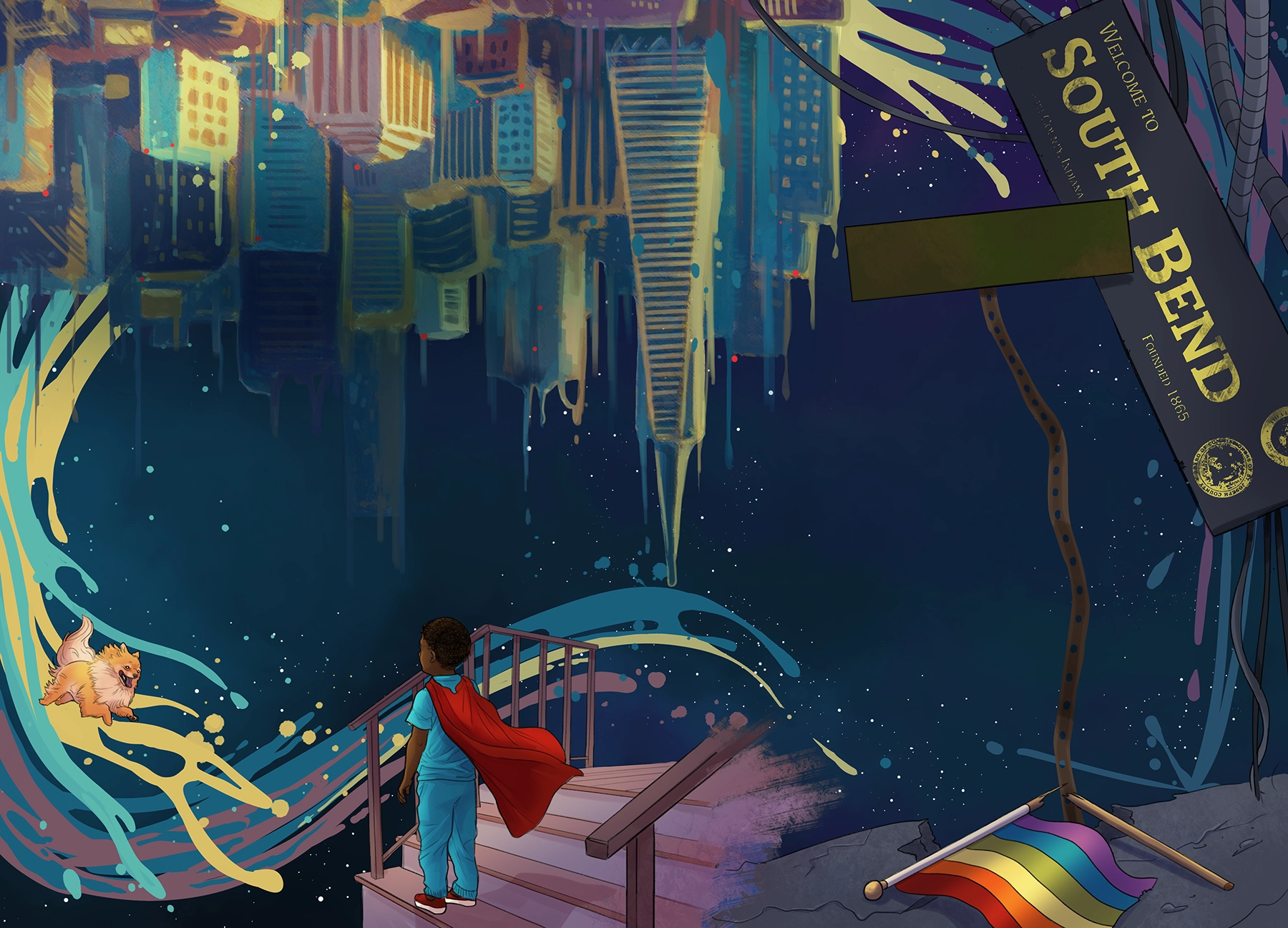
Are you ready? An only child in Superman pajamas considers flying, third
stoop on the right. My throat tickles. I wonder if I’ve caught my death
of cold, and if this city will ever get to be his.
An Ode to Mayor Pete
by Charles Payne
Welcome to South Bend, Indiana, our airport screams

A state that works and a presidential campaign
that didn’t
We hate unions but we are open
for business

Take for example
how Mayor Pete marched
at our Pride Parade as a proud
army veteran and still, we failed Jodie Henderson:
A Black Vet beaten in our streets to death, because he was gay
And still, we can’t get a hate crime law,
but we watch our Mayor slice into a rainbow cake

But we dance with the po-po in our schools
on redlines
of prevalent segregation

Our public natatorium made famous
for not letting Blacks swim
Don’t move to Indiana.

It will kill you...
                Like Jodie Henderson
                                               Like Thomas Shipp
                                                                          Like Abram Smith

Like that famous spectacle lynching photograph made famous here,
in the State of Indiana!
The Value of Despair
Henry Miller instructs me
not to spare my children
their agony; to bathe them
in the painful acid of truth.
But he also wrote of cunts
prolifically, turning them
inside out and incandescent,
and as a child I read his words
with such commitment
to understanding the haunted
caverns of the female sex,
maybe this is why I am alone
now with these two children,
still trying to decipher
the language of my body.
My son, like Miller, has a beloved
bicycle which he pedals back
and forth past our driveway, waving
at every pass. His passion
for bitter fruit, firm, green olives,
lemon in its waxy rind,
seed of the coffee cherry—
his attention to a God
he does not understand, his blessings
upon our dinner table, his wrath
at my forgetfulness;
that I might forget his question
from a minute earlier is proof
that I might forget
he is mine.
I am honest with my love.
It is clear like glass; hold it up
and my laughter curls
into petals of fog
on the surface. I love
to laugh with both my children,
their cheeks glued to mine,
but it is getting harder
to hold them there;
one reaches out a timid hand
as if to a roaring fire; the other
runs to it.
My daughter who insists
on keeping a sea of wild tears
to herself, who is reading
her own version of Miller’s
incandescent cunts,
who dives into the current
I am constantly trying to save her
from. Her brother’s hunger
for blessings and belief,
her own to be fed to the lions,
clawed at until that great ocean
of wasted tears is unleashed—
these I try to feed with love,
And their love feeds me,
richer than anything I have
ever tasted; I am sick with it
as I sit and wave to these arrows
sprung from my body, soaring
past my driveway or sprinting,
arms flung wide.
Mamă Pădurii Poetry Suite
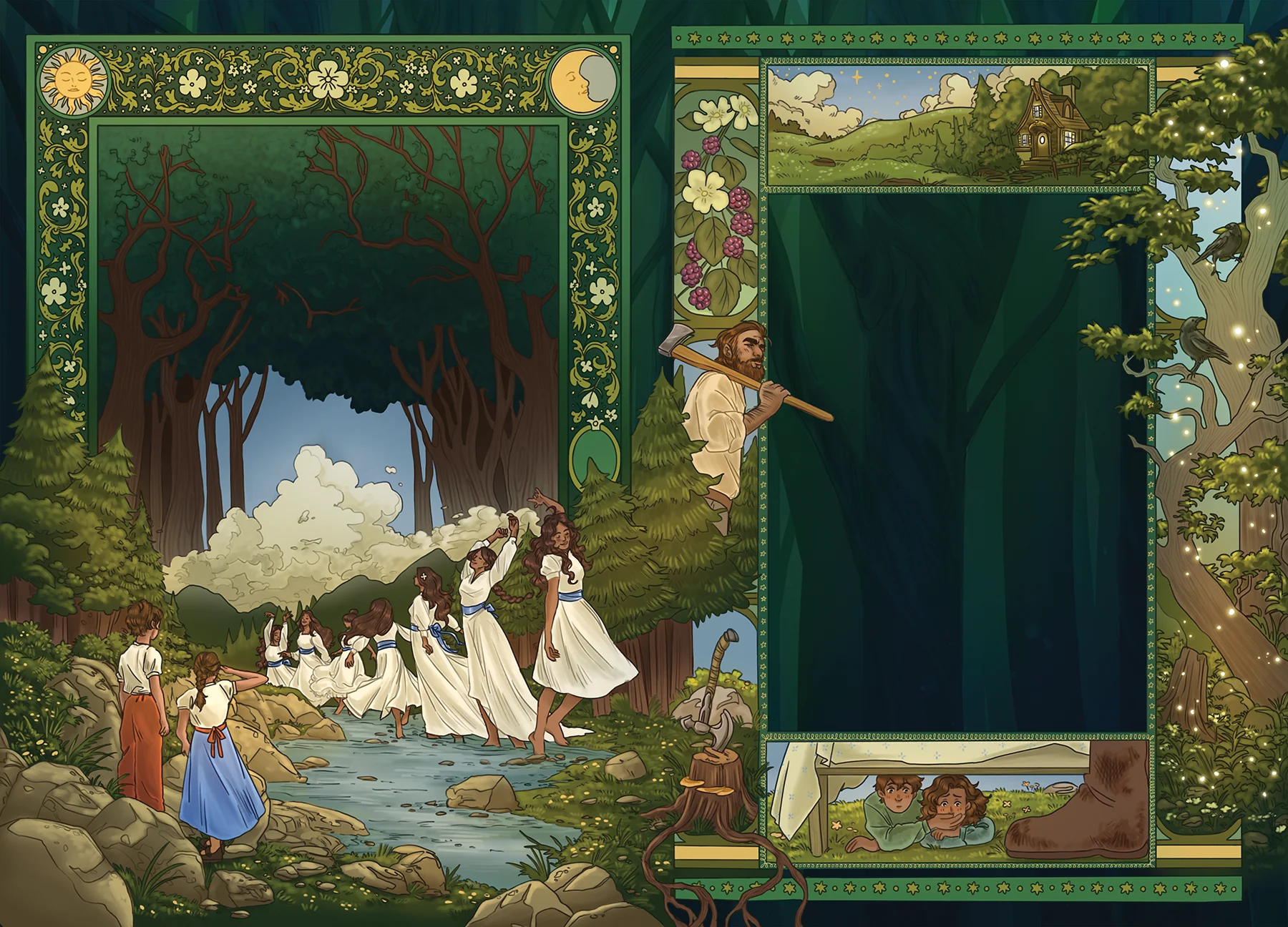
With the Dragon and the Devil When Mamă Pădurii knocks, we hide the recycling bin full of numbers six and seven, plaqued with the last slosh from beer cans. She smells them, or us, our shame sharper than the brânză de capră soured in the fridge. When she mutters wasteful, we’re unsure if she means us or our…
This post is only available to members.
Of Curses and Stitches: Cuento De Hadas
A Community Feature with CantoMundo CantoMundo is a national poetry organization that cultivates a community of Latinx poets through workshops, symposia, public readings, and publications. CantoMundo is dedicated to serving Latinx poets and poetry across regional, aesthetic, ethnic, racial, linguistic, and gendered spectrums. Their work is motivated by the understanding that Latinx voices, despite their…
This post is only available to members.
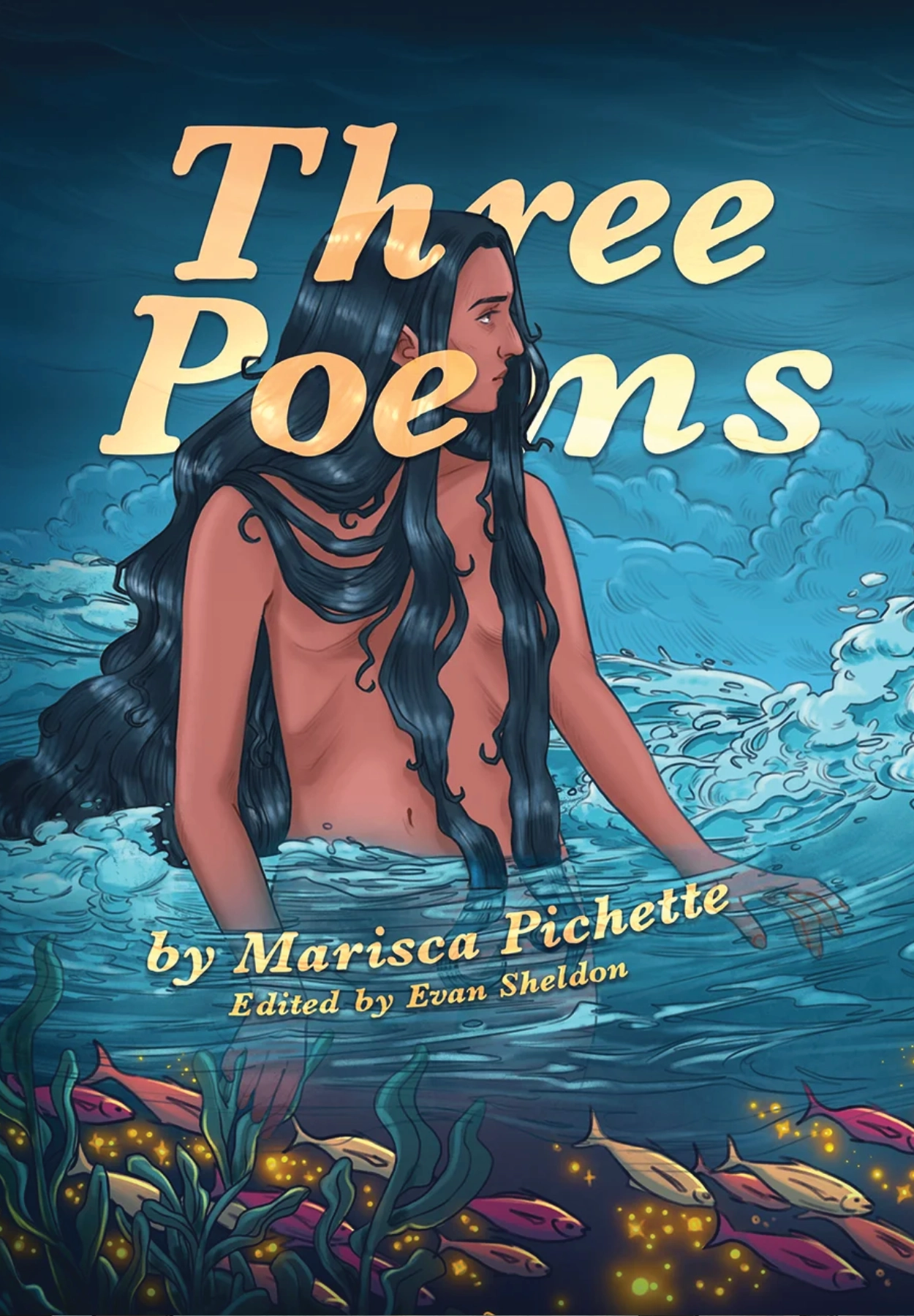
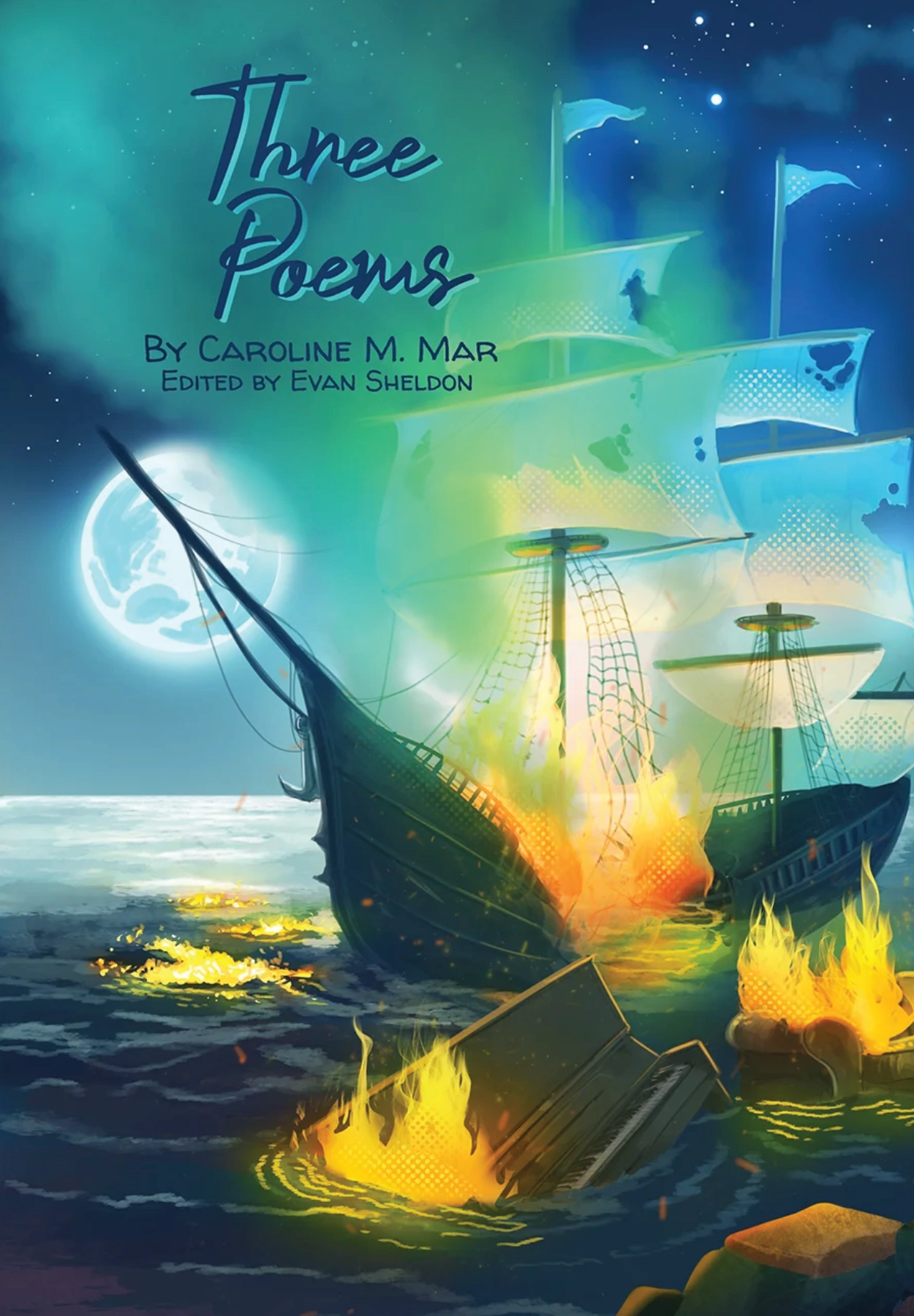
Three Poems
the goose girl’s grief
Falada, Falada, thou art dead, and all the joy in my life has fled
—“The Goose Girl” collected by the Brother’s Grimm


good morning, my little pony—
your head numbers the front

door so i may always find you.
may i plait the maypole

ribbons streaming your mane?
for shame, you cannot speak

with plastic purpling in your maw.
i basket this collection

of your parts for decoration—
when my magic animal’s

tongue went lick to quick & final
loll, i stopped

sweeping the fur-corners.
un-cinderella of me to frame

your urine-stains with violets—
i am against scrubbing

the only existence of your evidence.
new rheum signifies death’s

waxing. yet, here i am
waning with sobs,

my misery hair-twirls
your rigor mortis. each day i leave

a whisper in your ear—
i’ll say no goodbyes with these charms

oozing to prove my ardor.
once you sang

a song that parted the geese
into flight. now i fear

they will freeze—
no loud sound

to jolt them
to a warmer sky.
griefwilt/gravesick
for Barnabas
diagnosis: an off-stage swan lake performs my under
eyes. my devastation as a ballet shoe laced around organ-
flesh. bless this emotion that dances itself sick, collapses,
& fastens its skirt for the next act.

causes: crusted with sunlight, daffodils mock
the way you died in slow motion. a beast near mythical
christ-slumped in the grass. shadow-like, i am no longer
a person in one part.

symptoms: my bones cathedral around a heart-
cake, eaten & still beating. it was for your cancer
survival celebration. the word forever piped
into imaginary arteries. i wardrobe my ribs open
& wish the stars into crisis.

treatment: fables. stories where lions & the crucified
come back up for air. the thought that maybe you might,
too. then the drain of a bathtub. they will say there’s
renewal in all of this, but i think i’ll always wear your funeral
in ribbons around my neck.

side effects: my skeleton may split & sprout wherefore-art-thou?
balconies. under no circumstances should i call out
your name. tears let down their long hair. i’ll call a doctor
if a curtain descends & a daguerreotypist appears. even
flashes of light smell of wet dog.
aspic made of magical thinking
i swallow the pixie-dust from my bedroom
eyes & swan boat eyelids—

a flume of tears at every roadside
cruelty. enchant the heads

back to the highway
deer & watch them take flight.

opossums & voles rise to perform
their choral “i want” number &

it sounds like affect blunting. i add
edible glitter to sharpen the mixture.

my therapist says i am so hungry
for every possible guilt. in my third-tier

intrusive thoughts, i aspic
these anti-fantasies with peas & carrots,

unflavored gelatin, 2 cups of tomato
paste, & a single hot dog, julienned.

center the mold on the table—
a ballgown from which i can pluck

both barbie legs & hard-boiled eggs.
another magical thought:

the fairy godmother says it is not
my fault the sardines

stopped swimming, but the devil
on my shoulder says this concoction

may eclipse my wish
for even more wishes.
The Countess of Instagram
(downstage left) ENTERS LOUDLY: the comfort of a luxury hotel lobby

An ego reflects iridescent
in the gilt, its body rolls laterally
to favor high value angles.

She is selling lips: shaved, parted,
a diastema swollen with cocaine.
Her breaths a brachycephalic dog

waking from a nightmare
of a perpetual moan heard
only by bitcoin johns.

(center) MALE INDEX FINGER: strumps across the glass of a tablet looking for Instagram

Mother of pearl veneers
hiss behind the curtain
of an inflated labrum, generous

with technology. Evolved
silicon anxious to be
found by a future archaeologist

in a potter’s field
of swaying daisies, afflicted
by their immortality.

(left/offstage) OPEN WINDOW: centered, a shellac glossa automaton plays Billie Eilish

A baritone bullhorn scatters Rumi’s
wisdom, asinine yet unworthy
of Pinocchio’s pleasure island.

A spirituality of scented candles
recasts drug dealers as white shamans
pushing gear she will not buy

but readily use to cultivate a wit
edited into a skin tone trend
of the latest pantone standard.

(apron) NOILE SILK GRAND DRAPE: the stranded protagonist wears proscenium as tiara

A horned gait fawns a litter of
struts born with old age
embroidered driftwood replicates

faster than shipwrecks, tik-toking
into an anachronism
as momentous as a male orgasm.

Lights dim out of charity
to leave her later years devoid
of reflections, veiled in a penumbra

of hyaluronic acid. The warble of
an extinct bird is preserved:
unknown in life, acknowledged in flesh.
Tsunami Sequence
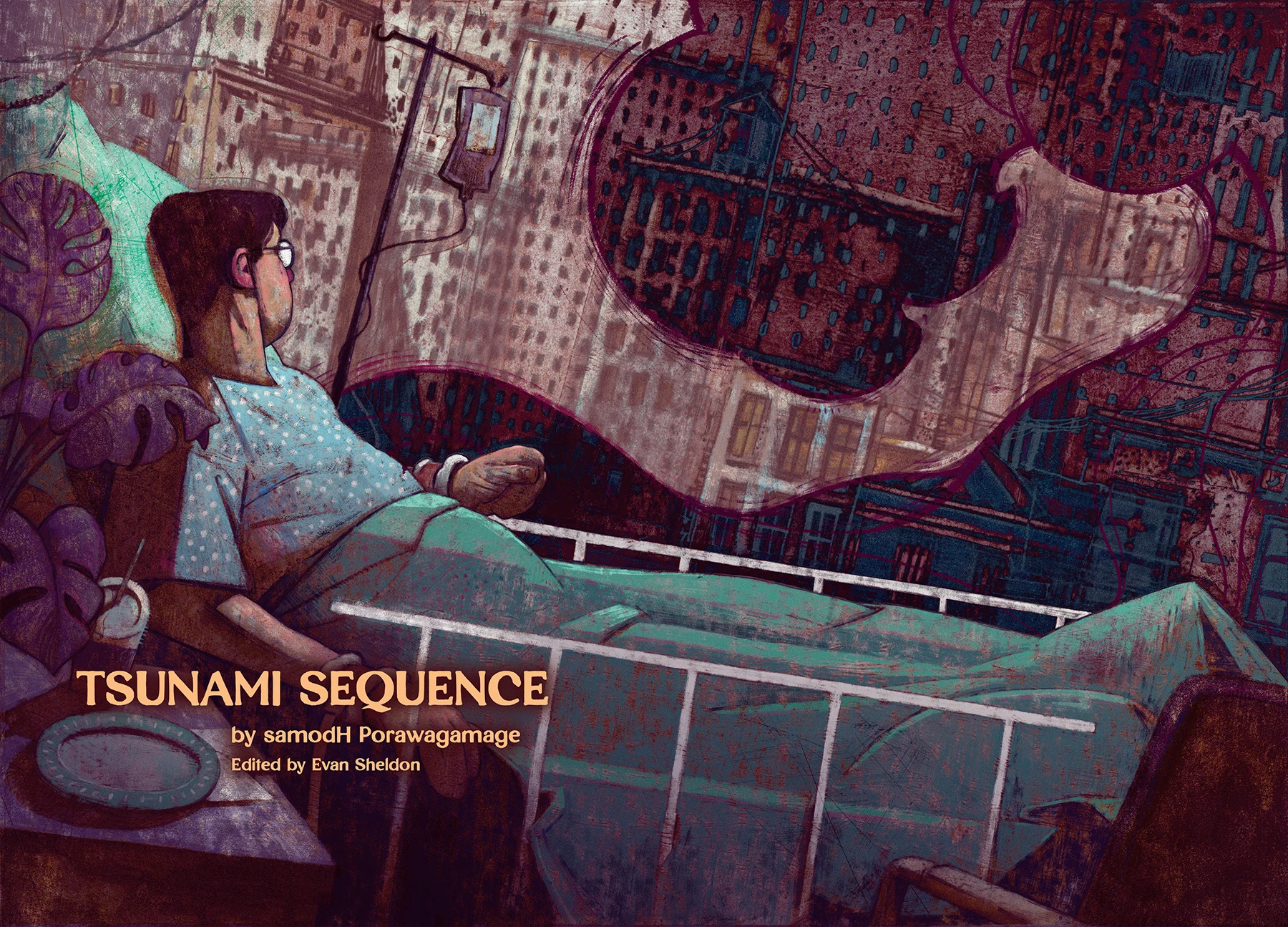
The Second Wave was imminent, I knew, just a matter of trepid hours and speculationto live for. And then I too would end on the seabed with no company;or drown in this hospital bed. No use breaking windows to run farther onto land when the hotelcollapsed like a house of matchsticks. My fever kicked and…
This post is only available to members.
Beneath the Surface: A Community Feature with Ocean Culture Life
Ocean Culture Life (OCL) is dedicated to empowering a global community of ocean storytellers, advocates, and guardians to inspire, educate, and protect marine ecosystems. Aligned with the United Nations Sustainable Development Goal 14, their initiatives promote conservation and deepen public engagement with the ocean. Since becoming a registered charity in Jersey, the Channel Islands, in December 2022, OCL has hosted vibrant World Oceans Day celebrations and immersive educational workshops, fostering ocean literacy and collaboration with marine organizations. OCL also gives out over 30 storytelling grants a year, directly funding and supporting their storytelling community. By celebrating the ocean through the power of storytelling, OCL inspires a new generation of ocean storytellers, advocates, and guardians committed to preserving our coastal environments for future generations.
Battle of the Colors
by Francesca Page
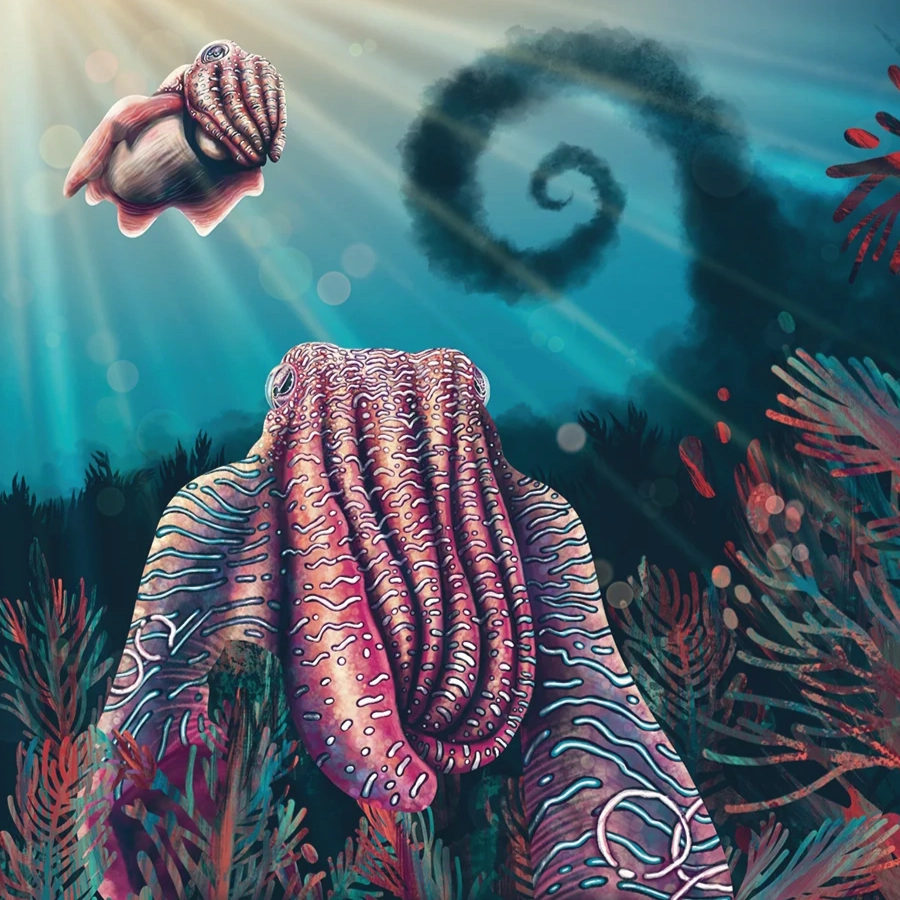
Jet-black ink engulfs the emerald and marigold amphitheater as a young male Giant Cuttlefish flees, his bruised and scarred arms a testament to the battles fought for the survival of his kind. Gliding over the reef, he wears these wounds like badges of courage, marks of the relentless competition he faces to secure his legacy.
As the morning’s golden rays dance upon the frigid waters of South Australia, this underwater world stirs awake to a new day of battles, courtship, love, and heartbreak. Descending into this realm teeming with alien-like creatures, a drama as old as time, pulsing with the ocean’s heartbeat, the relentless struggle for love.
This seasonal fighter glides effortlessly over the reef, yesterday’s battles fading like a distant memory. Today brings new hopes as he stirs with quiet resolve, stretching his tentacles wide as dawn breaks through the water. Like a painter’s brushstroke on an ocean canvas, his body shimmers with purpose, pulsating in a hypnotic dance of blues, greens, and purples. He blends into his surroundings, shape-shifting with ease, his keen eyes sweeping for potential suitors. With each pulse and ripple, he prepares to captivate, conquer, and perhaps, finally meet her.
From above, a spotlight shines down on the reef, and nestled beneath the seaweed lies the female. Perfectly camouflaged in golden hues, she hovers silently, patiently waiting for him. Her beauty is unlike any other. Yet her allure has not gone unnoticed. She is surrounded by determined admirers, one, two, three… he loses count as she becomes engulfed by a kaleidoscope of pulsating colors. The heart knows what it wants, let the battle of the colors begin!
With purpose, he moves in, fixating on his beloved; the stage is set for an elaborate shape-shifting show. The largest admirer, looming like a spaceship above him, bellows a challenge, ready for battle. Like a well-rehearsed performance, these males adorn themselves in vibrant, elaborate costumes, each putting on the show of their lives and perhaps their last. The fight begins with a hypnotic dance; they whirl around each other, flaunting and stretching
their bodies to amplify their dominance and power in the water. He has waited too long to find her; this is a fight he cannot afford to lose. As the spectacle escalates, their bodies pulsate with mesmerizing swirls of white and orange, each determined to hypnotize, control, and ultimately win her.
His eyes dilate, intoxicated by love; he is transported into a trance. For a moment, he leaves his body, observing the battle from above, powerless in the face of defeat. Blinded by passion, he doesn’t see the larger male strike, driving a sharp blade into his vibrant armor. Abruptly, he awakens from his spell. With a heavy heart, he falters under the weight of his wounds. Retreating to the safety of the seaweed, he watches his love from afar. Yet, the call of love propels him forward. What he lacks in size, he makes up for in cunning; why fight when you can outsmart?
She locks eyes with him, trapped beneath a sea of unwanted males, her gaze silently beckoning him closer. It’s not size she desires, but intelligence, and he knows exactly what to do. With calculated precision, he employs a clever strategy, slipping in undetected as he masquerades as a female, altering his colorful armor and retracting his tentacles. Like a shadow, he glides beneath the larger males, evading their notice until he finally reaches her side.
Gently, he extends one of his arms to touch her, and her eyes speak a thousand words of passion. Their arms intertwine, head to head, heart to heart, an embrace that signifies the beginning of new life and the survival of their species. In this moment, the chaotic world around them fades away; all that exists is the delicate bond between two Giant Cuttlefish and the promise of their shared legacy, where intelligence wins.
Learning to Swim
by Maddy Bolt
I have learned a lot since first landing in Indonesia six years ago. I’ve learned how to ask for a nasi goreng in Bahasa, how to navigate down a dusty hill on a motorbike with a passenger and two surfboards, and how to tell if the tide will be too low to surf. However, something I took for granted was already knowing how to swim. I barely even remember learning! My faintest memory of learning how to swim, was being told to act like a starfish while attempting to float—at the tender age of five years old. This experience was something I took for granted—until I moved to Indonesia.
Despite spending almost every day in the water, I can count on one hand the number of local women I had seen surfing. Now living in Indonesia part-time and surfing almost daily, I continued to wonder about this. Were local women interested in surfing but just not participating? Or was I projecting my own “western” assumptions onto a community that might not share the same interest in the ocean?
I decided to find out the answer. I turned to Misel, a close local friend of mine. She managed one of my favorite local restaurants in town and we had gotten to know each other drinking many coffees over the years. When I asked her if she was interested in something like surfing, her eyes immediately lit up and she said, “Surfing?! That is my dream. Of course I want to surf.” At least for Misel, it was not a question of having interest.
When I probed her further and asked whether other local women felt the same way, she added exuberantly, “Many of my friends would love to surf! That is something we have only dreamt of doing!” Interesting, I thought, “So why have you not taken the leap to learn?” Misel laughed and said, “Well first we would have to learn how to swim!” This is where I had to check my privilege. I had assumed most of these women had grown up swimming since they lived on an island.
What I later realized, is that despite being in their mid-thirties and growing up in sight of the water their whole lives, many of the local women had never even been in the ocean past their knees. This was due to a myriad of reasons, from a general lack of time due to childcare responsibilities, local folklore stigmatizing the ocean as evil, and parents instilling fear in their young daughters in order to protect them. While this fear worked to keep women away from the ocean, it worked against their favor in dire situations.
Drowning is the third leading cause of unintentional injury death in the world, and one of the leading causes of accidental death in Indonesia. Children are especially at risk, since women, who are the primary caregivers to their families, are unable to swim and save those that have been swept away by currents or rogue waves.
This is where the idea for OceanFolx began. In partnership with Misel and a few other local femme leaders in the community, we spent the next year building and starting a swimming, ocean safety, and surfing program. We aim to prevent drowning through a ripple effect. We empower local women by teaching them essential swimming skills, ocean safety, and life-saving techniques. For those who want to go further, we have started an introductory surf program once they’ve mastered adequate swimming and water safety skills. Our program goes beyond basic training by including a leadership component, which equips these women with the tools and confidence to pass these skills on to their children, families, and communities. This approach not only amplifies their impact but also fosters a broader culture of safety and knowledge.
Through our initiative, we empower women, inspire local leadership, and promote environmental stewardship. By encouraging more time spent in and around the ocean, we help transform their relationship with the environment from one of fear to one of positive engagement and respect. Our program brings women together, creating a supportive community where they can empower each other and interact with the ocean in a safe and meaningful way.
In 2025, we will be running our second year of programming. Misel has come a long way and is now working as our local program coordinator. She recruits new students to our non-profit program and is working to become a swim teacher with us. We are committed to empowering more women through our comprehensive swim training program, guiding them all the way to becoming certified swim teachers. Our vision extends beyond our current reach; we aspire to expand our impact by introducing our programs to the neighboring island of Sumbawa and by launching exciting, new at-sea sailing programs. By donating, you can help us provide life-changing opportunities and build a brighter future for the women in our community.
Throughout this journey, I continue to be humbled and inspired every day by Misel and each and every one of our students. It has been incredibly rewarding to share my knowledge and watch our local women step up as leaders, ready to become the next OceanFolx teachers as I transition into a supportive role. Watching them float and telling each other to act like a “bintang-laut,” starfish in Bahasa, brings the biggest smile to my face—and all the hard work feels worth it.
The Sea Inside Ourselves Is Showing
by Jillian Nettels
Does the darkness hold light in abeyance?
How waves pulse between blurred edges defy.
Emboldened by revealing raw moments,
Glisten as we listen to the sky.
Our gazing is a tether in vast spaces,
Radiate a secret silent knowing,
As reflections on rippling places,
That the sea inside ourselves is showing.
Waters linger in a lonely abyss,
In the dark depths we share suffused longing
for our promised presence of Neptune’s bliss.
In remembrance of Day’s vanishing
the Night has taken form from holding breath,
That Life is a reckoning with Death.
The sea inside ourselves is knowing.
The sea inside ourselves is showing.
Ancient Waters, Modern Warnings: A Scientist’s Love Letter to the Mediterranean
by Arzucan “Zuzu” Askin
The Mediterranean Sea, with its startlingly blue depths and storied coastline, has a unique claim on my heart. As a child, I spent endless summer days diving into these fabled waters, searching for ancient treasures that seemed to whisper through the currents. My quarry wasn’t only shells and smooth stones; I was entranced by the seagrass meadows and the centuries-old amphoras hidden beneath the waves. Each dive was an act of discovery, a glimpse into the world of sailors and merchants from millennia past. I learned early on that the Mediterranean was no mere sea, but a bridge between human history and the wild mystery of the ocean.
From my very first encounter with those seagrass meadows—fields of Posidonia stretching across the seafloor like vast, verdant carpets—I was struck by the way these delicate green strands seemed to breathe life into the water. Posidonia meadows are among the most productive ecosystems on Earth, sequestering carbon, nurturing young marine life, and filtering water. These fields of seagrass became sacred places for me, sites of personal pilgrimage and discovery. They felt as much a part of Greek mythology as the stories of Odysseus and the sea gods.
Diving down after hearing my mother’s tales of the sea, I would imagine I was in the lair of Poseidon himself. The seagrass swayed like dancers in tune with his trident’s rhythms, and around me, I felt the presence of forgotten legends: ancient gods, sirens, and the creatures of maritime folklore. For thousands of years, the Mediterranean has held sway over human imagination. This was a sea that demanded respect, a wild place of tempestuous tides and lurking mysteries—a gateway between the known world and realms beyond.
The Mediterranean shaped me as a scientist, teaching me to observe, to ask questions, and to see the world as an intricate puzzle of ecosystems and cultural histories. It has shaped the way I approach conservation today— interdisciplinary, grounded in tradition yet open to innovation, and inclusive of multiple perspectives. As someone who grew up between cultures, I found that the Mediterranean offered a unique bridge between worlds: East and West, ancient and modern, wild and human. Its diversity, both ecological and cultural, reflects how deeply connected the ocean is to human identity. This sea instilled in me the importance of understanding not just the science of ecosystems, but the people, practices, and stories intertwined with them.
In many ways, the Mediterranean sharks I now study serve as symbols of this delicate balance between the wild and the human. Ancient Greeks feared and revered these apex predators, folding them into myths and maritime tales, from the great white to the angelshark. Yet today, many of the sharks of the Mediterranean are critically endangered, their numbers dwindling to a fraction of what they once were. Driven by overfishing, habitat loss, and the pressures of a warming sea, the decline of Mediterranean sharks is a devastating loss—not only of biodiversity but of living history. We are watching the unraveling of a story that has been unfolding for millions of years, and with it, a part of our collective human heritage.
Today, however, the Mediterranean is also a frontline for climate change. Rising sea temperatures, invasive species, and acidification are reshaping the delicate balance that has persisted here for thousands of years. The Mediterranean is warming 20% faster than the global average, putting ancient Posidonia meadows, the lungs of the sea, under grave threat. For those of us who see the Mediterranean as both a living ecosystem and a cultural cornerstone, the stakes are heartbreaking. It has always been a body of water that mirrored the ebbs and flows of human civilization, from trade routes to warfare, and now it has become an early warning system for the entire planet.
The changes sweeping through the Mediterranean Sea are not isolated—they’re ripples, harbingers of transformations reaching far beyond its shores. Invasive species from warmer waters have already begun to push out native species, with entire food webs restructured in ways we are only beginning to understand. For me, the Mediterranean’s transformations have always felt deeply personal, as though the very threads of my own connection to this sea are fraying, one species or seagrass meadow at a time.
As the Mediterranean changes, so do the traditional ways of life it has supported for centuries. Artisanal fishers, once in harmony with the seasons and the migrations of fish, now grapple with empty nets and foreign species disrupting their catch. The loss of biodiversity is not just about numbers; it is the erosion of a relationship, a rhythm of life that has evolved over thousands of years. We are losing not only wildlife but our traditional ways of being, our connection to place and to the ancient wisdom of those who lived in harmony with the sea long before us.
In global conversations about ocean conservation, the Mediterranean often finds itself overlooked. Perhaps it is due to its proximity to bustling civilizations, or maybe it’s because its compact size contrasts with the vastness of the Pacific or the Atlantic. Yet the Mediterranean remains one of the most biodiverse seas in the world. Here, species adapted to the rugged conditions of a semi-enclosed sea flourish, from seahorses hiding in meadows to groupers and tuna patrolling rocky reefs. This sea has borne witness to everything from massive migrations of bluefin tuna to the tiny nudibranchs that cloak its rocky shores in vibrant hues. The Mediterranean has long been a paradox: a relatively small, seemingly tame sea, yet brimming with an almost mythical intensity.
The Mediterranean taught me to look at the ocean as a tapestry, woven of both natural and cultural threads. As an interdisciplinary scientist, I now work to bridge the gap between these worlds, to merge science with storytelling and tradition with technology. The Mediterranean’s deep past, where sharks swam freely, where seagrass meadows grew untouched, continues to guide me as I navigate today’s conservation challenges across cultures and disciplines. This sea, this teacher, is not just a reminder of the beauty we stand to lose but of the resilience we can find—if we learn to listen to the stories that have always flowed through its waters.
The Mediterranean’s history is written not only into the marble walls of temples, or into folklore, but into its ecosystems, from the green seagrass meadows to the large whales. We are at a crossroads, and over the next decade we must decide what we want the Mediterranean’s story to become. This body of water has been humanity’s compass for thousands of years; by protecting its biodiversity, we are also protecting the cultures that call it home. In saving the Mediterranean, we are saving a piece of ourselves—our history, our future, and our enduring connection to the ocean.
Three Poems
threnody, adrift her sister’s name was Melody because—blonde, beautiful, sweet as maple sap straight from the weeping bark— their parents knew she was siren-bound. threnody, though: bony, stringy, quiet as owls on the hunt could only ever be a ghost Melody sang threnody wept Melody keened threnody screamed Melody walked into the surf & threnody…
This post is only available to members.
Three Poems
The Ghost Ship
It’s not that we didn’t know. Your name, after all,
was the Ghost Ship, some kind of omen for what you’d become.

Ferrying somebody’s sister, somebody’s body, some bodies
across that fiery water: elsewhere. I don’t believe

in elsewhere, an eternity of fire or sun. You were mannequin arms
and a rug on a dance floor. Some kind of baroque, you

were built of pallets and tar paper, old couches, and terrycloth.
Everything that burns. You were art, and art is always worth burning.

I don’t believe in fate. I believe in grief, what it does to us.
Somewhere, somebody said: intergenerational trauma.

This isn’t my grief, not mine to carry, a chalky
fire-crisped piano, the twanging sound of each string popped

by heat. Everything can be a performance. The hand-
lebars of a ’65 Panhead. Your dark mustache

and aviator shades. You didn’t die in this fire’s crush:
a dream filled with opulence and hope.

Rents so high twenty-two people live and build
where they build beauty, too. This wasn’t how we lost you—

timbers crashed in char and singe, staircase crumbled
in smoky crush—

The things we love to blame, the things we love
end us. One fire or another, inheritance

of doors burned shut. I think of you with no escape
I think of you                 how could I not

           my first ghost                  I wish I could
                        sail back to you                          I wish I could remember

[The italicized line “a dream filled with opulence and hope” is taken from Ghost Ship
founder and master tenant Derick Ion Almena’s Facebook post the day after the fire.]
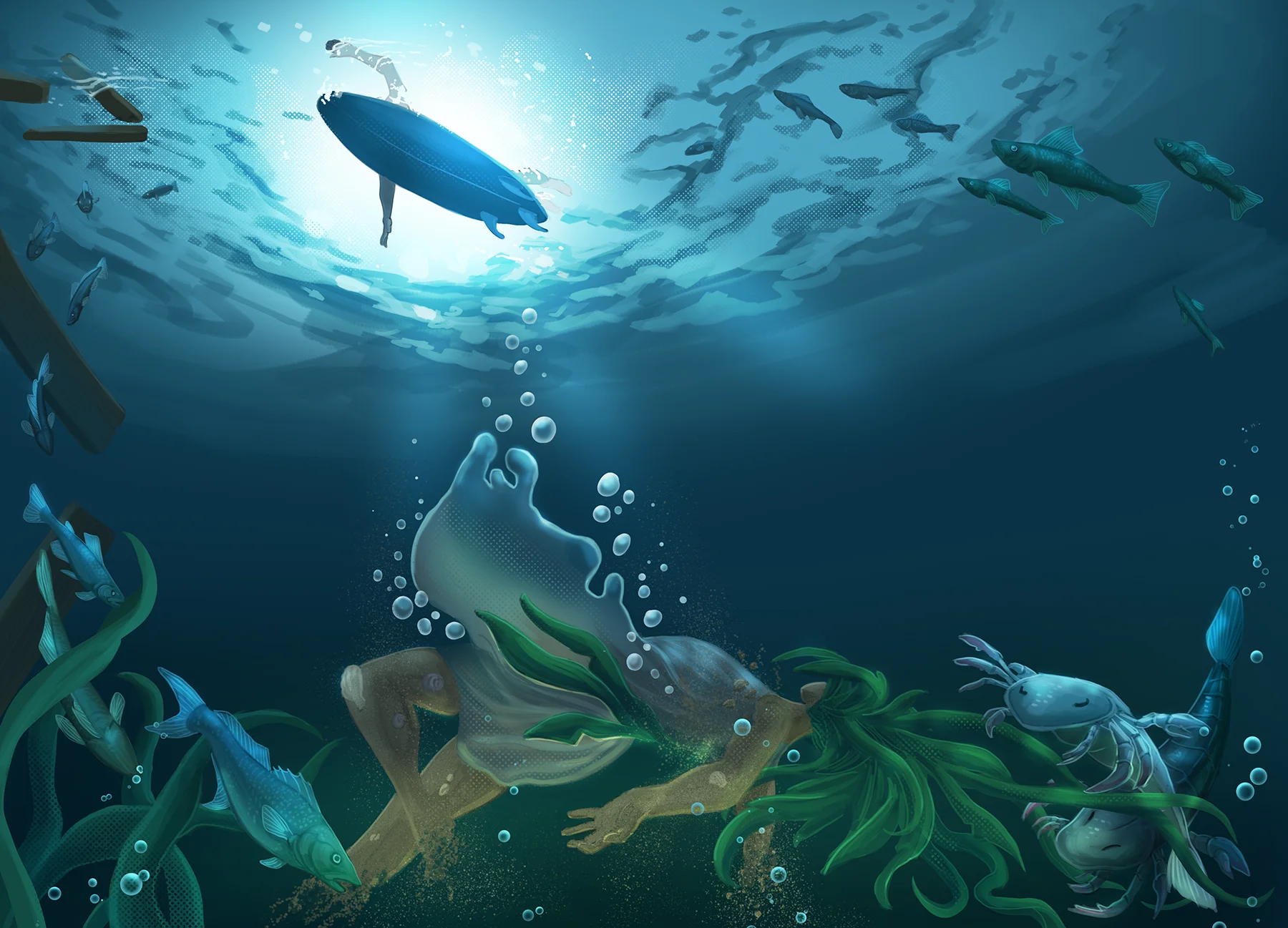
Muscle Test
They say it comes in waves, grief,
like the swell’s crush against
your small board in the ocean,
you learning to surf on such a vast sea, learning
like the boy so proud at the front of the class
Coach quizzing him, the boy pointing
at his own body, moving
tibialis, gastrocnemius, latissimusdorsi, the whole body
hurts, doesn’t it, after a day of surfing
muscles you didn’t know you had
muscles writing the next day,
sore, the neck turning to watch
for coming swells, for what you know
will come, what you wait for, can’t
avoid, pointing here, here,
trapezius, pectoral, the pull of your body
and the hard board pushing back out
against the waves coming and coming
barely any relief in between.
My Mouth Tastes the Ocean When I Kiss My Love
She builds a causeway of her own skin : a road to the sea

She is all water                       hard-shelled crab, heart of fish, hidden sting
                                                                                                        of extinct scorpion

Her bruised nape, sore hip, skewed scapula       the intoxicating smell
                                                                                              of white flower oil and human touch

She is looking for a way back to herself : people, flesh, bone, spirit
Can she call their names with her seaweed mouth?

She floats between meditation and sleep, body hovering like a frond blown onto calm seas

She is mathematics and perfect form : parabolic sand dune, eyelashes of grass,
                                                                                 fingernails the empty shells of mollusks

Can I lie in the sun on the shore of myself?

            She built this landscape of what she loves
                                      salt-licked and kelp-strewn : let me rest

Let the swell of the tide carry my love                       her loss                     out to the deep