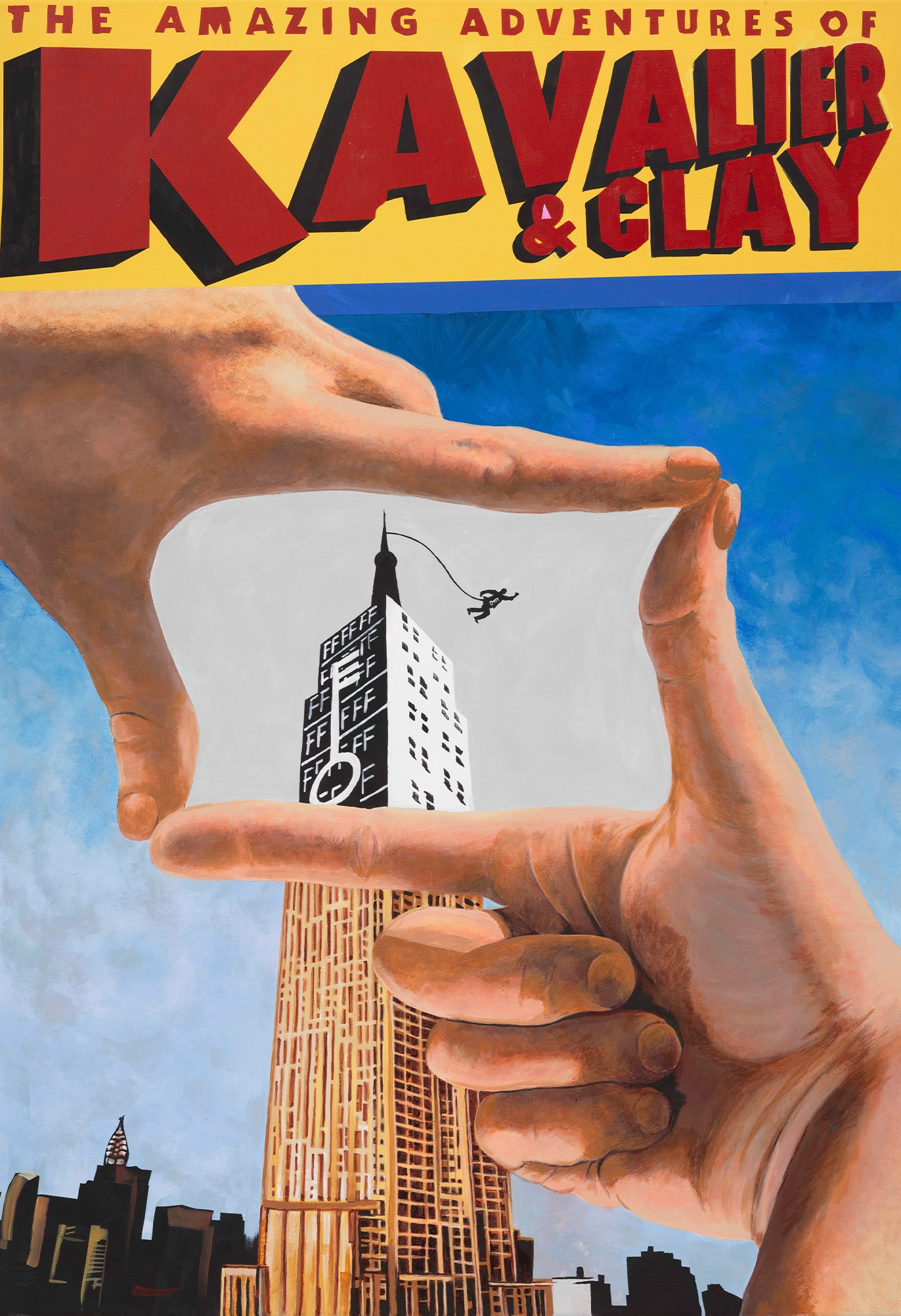
A Review of The Amazing Adventures of Kavalier and Clay

Mason Bates – Gene Scheer – Metropolitan Opera New York

The amazing—and slightly bonkers—adventure of composer Mason Bates and librettist Gene Scheer, condensing Michael Chabon’s 2001 Pulitzer prizewinning 700-page doorstopper of an extravaganza novel, The Amazing Adventures of Kavalier and Clay, has delivered a compelling new drama for the opera stage.

No less a stage than New York’s Metropolitan Opera, where the 2025/2026 season kicked off to yet another Peter Gelb controversial opener. The Met Director knows how to raise the blood pressure of the Met’s trad subscribers.

Kav and Clay (forgive the abbreviation) is similarly laden with topical tropes—antisemitism, immigration, sexual intolerance, the struggle with Jewish identity, disregard for the rule of law. Challenging enough in the late 1930s. Still testing us today.

On with the show. Kav and Clay is set in three worlds. The production came courtesy of Bartlett Sher, a gifted director who spans Broadway and opera stage alike.

He shaped three very distinct environments. A dark and sinister Prague, an upbeat and pulsing late1930s New York, and the colorful comic book world in which the opera’s fictional hero, The Escapist, biffs Herr Hitler and assorted goons. Then, comic book heroes were a reading rage. Now, they get elected.

The set lighting and design, crucial elements of this production, were provided by 59 Studio, New York and London. Their illuminated white-line drawings of trains and a transport ship, The Ark of Miriam, filling the stage like flowing water were wonderfully evocative. As was the sinister set of the Prague station with huddled prisoners awaiting their train to God knows where. Kav and Clay served up a visual feast.

Set movements were slick as we moved from world to world, sometimes merging. At first grounded in conventional fixed scenes in Act II, we moved into surreal surroundings. But for that to have meaning, the story must be told.


Act I

It’s the early days of World War II. Before Pearl Harbor and America’s entry into the conflict. Dark threatening Prague. Bullied by the Schutzstaffel, Joe Kavalier escapes, leaving behind his parents and teenage sister, Sarah.

He arrives in Brooklyn to live with cousin Sam and Aunt Esther. He plans to make enough money to bring his family to the United States, to escape German occupation.

Joe is a gifted artist, amateur magician and escape artist. Sam works in a toy and novelty company. He’s a wisecracking writer. They team up to create a comic-book superhero to rival Superman, The Escapist. I didn’t rate the large, illuminated gold key on his chest. Not quite the discrete Superman “S” costume!

Joe and Sam created their superhero with a super-purpose—to urge Americans to join Europe’s fight against the Nazis. Sam’s boss, Mr. Anapol, takes a chance on them and backs the venture. 

The Escapist becomes a hit, spawning a radio show. Today, it would be a podcast. Attending a broadcast, Joe and Sam encounter their separate fates.

Sam meets Tracy Bacon, the actor who plays The Escapist, to whom he is sexually attracted. Joe meets Rosa, a talented artist who works for the Jewish Children’s Fund, which ferries refugee children from Europe to the U.S. on its own ship, The Ark of Miriam.

There follows a hilarious scene, when Joe and Rosa attend a gallery show, a fundraiser for the Jewish Children’s Fund, where Salvador Dalí makes a guest appearance, entertaining the crowd in a surreal diving suit and helmet. After nearly suffocating, the mustachioed artist is rescued by Joe to acclaim from the gallery crowd.  

Joe and Rosa, thrown together by the Dali incident, discuss arranging for his sister, Sarah to escape Prague on The Ark of Miriam. They fall in love.

Back in Prague, Joe’s mother is captured by the Germans and sent to a camp. Joe’s father is taken in a raid led by Gestapo Commander Gerhard. Sarah narrowly escapes.

Joe and Rosa’s relationship blossoms, and Rosa confirms Sarah’s passage on The Ark of Miriam. Meanwhile, Sam and Tracy have fallen for each other. They share a Shabbat dinner with Sam’s mother, toasting the imminent arrival of Sarah’s ship in New York.

They spend a romantic night atop the Empire State Building—shades of King Kong. Their plan is to train west to Hollywood to capitalize on The Escapist brand.

The idyll is ruined when they discover a newspaper headline reporting The Ark of Miriam has been sunk by German torpedoes. No survivors. Sarah is lost. They race to tell Joe, who is performing his magic act at a benefit for the Jewish Children’s Fund. Rosa tells him the news. Before a room filled with dinner guests, he has a breakdown.

Act II

Joe loses the plot. He hides out in a warehouse and imagines a surreal confrontation with nemesis, Gerhard. Rosa, distraught, hasn’t heard anything from Joe for weeks and can’t find him anywhere.

Acting on a clue, she visits the warehouse and finds a makeshift studio Joe set up but trashed, plus evidence he enlisted and shipped out.

Sam, meanwhile, is attending a going-away party for Tracy, who joined the military. The party turns out to be an exclusively gay affair, and when raided by the FBI, Sam hides while the others are arrested.

A lingering FBI agent discovers Sam and sexually assaults him. His silence is the price of liberty. Rosa finds a broken Sam, who can only say he is finished: He’s convinced he will be alone for the rest of his life.

Rosa is suffering her own crisis. Not only has Joe disappeared without a farewell, but she’s pregnant. Sam offers to marry her and raise the child as his own. Rosa agrees, and they begin a new life together, based on the compromises forced on them by circumstance. A read across to the devastating choices forced on their persecuted European confrères.

Rosa fills in for Joe, drawing The Escapist—and adds a character of her own. Luna Moth, inspired by a story Joe made up for Rosa, reinforces the success of the comic strip.

Joe turns up on a European battlefield, where he finds Tracy. Tracy shows Joe a letter from Sam telling Tracy to stop writing to him. His new circumstances with Rosa forbid it.

Tracy learns Joe has never opened any of the hundreds of letters Rosa has sent him and doesn’t know he and Rosa have a child.

Tracy is killed, and Joe is devastated by yet another loss. He starts opening and reading Rosa’s letters. One letter contains Rosa’s drawing of Luna Moth. And at this point we know we are really in a world of symbolism.

Luna Moth appears to Joe—a shimmering suspended dancer—then guides him out of the battlefield. Miraculously she leads him to the house on Long Island where Rosa and Sam now live. Outside the door, sister Sarah’s ghost appears and gives Joe the final push. Get on with it. Re-enter your life!

She leads Joe to meet his young daughter, also named Sarah, and to reunite with Rosa and Sam.

Once Joe and Rosa are reunited, Sam, in an act of complete selflessness, boards a train headed for California to begin writing The Amazing Adventures of Kavalier & Clay.


Onto the music. Bate’s score was filmic, accompanying the action rather than driving it, as would a more conventional operatic score. Apart from some stand-out dramatic moments.

One was a soulful rendering of Ani Ma’amin, a song of hope created by a box-car prisoner en route to Auschwitz and sung by the doomed as they filed out to their inevitable deaths.

Bates and Scheer went to great lengths to explain their project to the American Jewish community, as this discussion with Congregation Beit Simchat Torah bears witness. They knew they had to tread sensitively.

But with so many moments of tension and high drama in the action, I was left with a feeling the score was simply not up to the challenge.

In a debut performance, Andrzej Filońcyzyk, a Polish baritone, sang Joe and was pushed to the limits of his vocal register. Rosa, Sun-Ly Pierce, an American-Chinese mezzo soprano was my stand-out. Her clarity of delivery, on stage empathy, and determination “to keep buggering on,” as Churchill would have advised, grabbed my attention.

Also excellent was Myles Mykkanen who sang Sam. The Finnish-American tenor had the power to capture the real tragedy of his character. I was left thinking it was a pity he didn’t have a wider musical palette to display his talent.  

A full list of the excellent cast can be found here. Maestro Yannick Nézet-Séguin graced the pit.

Kav and Clay received mixed reviews, none more negative than in The New York Times. Joshua Barone, the paper’s critic du jour, started off with a weird assertion, “Opera benefits from simplicity” and went on to pan the production on the grounds that the book is complex and the precis of Scheer’s libretto cannot do it justice.

Now, I assume Mr. Barone goes to the opera quite often, but what “simple” plots is he seeing? To grab a handful from the bran tub, Mozart’s The Marriage of Figaro is fiendishly complex, with subterfuge, mistaken identity, and the wrong person jumping out of a window being only the most obvious twists and turns.

Contemporary works like Grounded may be light on Da Ponte comic farce, but they weave subtle moral webs of conflicting loyalty—in love and war—and demand close attention. Then, Mr. Barone considers Wagner’s Ring Cycle a tale to be told in minutes. I seem to remember it taking seventeen hours spread over four days!

I felt the moral arc of each of the characters, which define the morality tale of Kav and Clay, were deftly delivered in Scheer’s taut libretto. Give me three hours of watching the opera instead of four days reading the book anytime.

On the Saturday before the Sunday opening I was enjoying what I thought was a discreet lunch at Toscana, East 49th Street. Vocally unaware in the quiet restaurant, gabbing about Kav and Clay, I caused a lady with bat-like hearing at an adjacent table to approach brandishing a book. Fearing assault, I was relieved to discover it was an original, well thumbed, Chabon edition from 2000.

“I heard it’s now an opera, for heaven’s sake. Should I go? I just love the book. It must be very long.”

“The good news is it’s shorter. I wouldn’t miss it,” I opined.  

Clearly, news had hit the streets and potential opera audiences were flocking. At least to Midtown Italian restaurants. When I reached Lincoln Plaza next evening, for the first time in recent memory I was greeted by folk sporting pleas for spare tickets on cardboard signs. Inside I found a full house.

Amazing! Almost as amazing as The Adventures of Kavalier and Clay. This year’s Met season is off to a flying start.

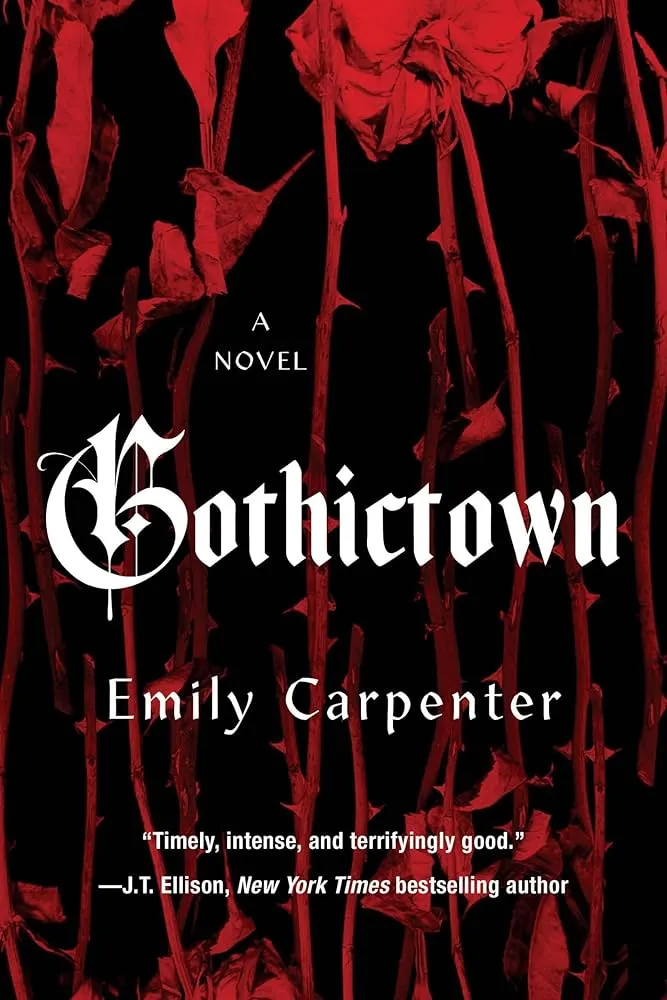
Five Southern Horror Books to Haunt You

There’s a breeze in the air, the leaves are transforming into rich auburns and deep mahoganies, and pumpkin spice greets you at every corner. It’s officially fall, and spooky season is upon us, which means it’s time to grab your favorite blanket and settle in to relax with a good horror book. Whether you like slashers, monster fics, or ghost stories, Southern horror hits differently.

Southern horror is a genre of horror set in the Southern United States, with themes centered on culture, trauma, folklore, and history. But what really makes them so creepy, and fascinating, are the small towns and wide-open spaces. So, if you’re looking for some spooky chills to go with the brisk weather, read on for a list of five Southern horror novels that showcase the variety and range within the genre.

Gothictown by Emily Carpenter

We hear all about the scary parts of living in a big city, but small towns aren’t as innocent as they may seem. Gothictown by Emily Carpenter is a perfect example of that. Billie Hope, a restaurateur in New York, is given the opportunity of a lifetime when she gets an offer to purchase a Victorian home in Juliana, Georgia.

Billie jumps at the chance to move herself, her husband, and her daughter away from the struggle of the New York hustle. At first, it seems like your typical southern town, full of “bless your hearts” and southern hospitality. However, as things usually go in horror stories, it ends up being too good to be true when she discovers the town’s sinister secrets.

Stuck in a town run by an increasingly authoritarian group of town elders who descended from the founders of Juliana, Billie and her husband fight while nightmares plague her. As the story progresses, Billie is forced to face the reality that she may have doomed her family and trapped them in the not-so idyllic town even as her grip on reality falters. Gothictown is full of plot twists and family secrets that will leave you in shock days after.

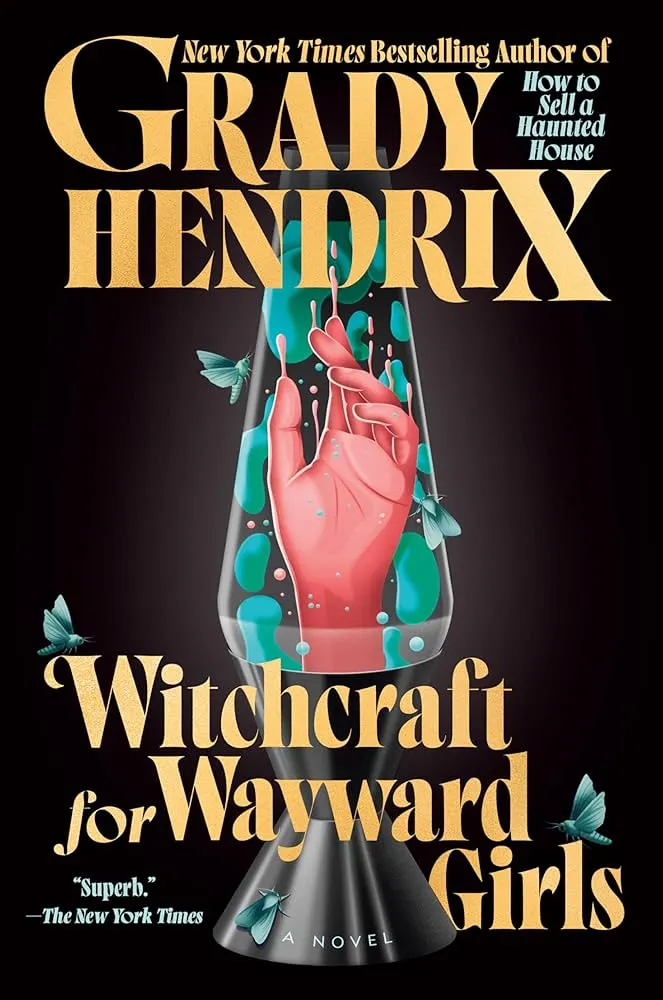
Witchcraft for Wayward Girls by Grady Hendrix

Witchcraft for Wayward Girls by Grady Hendrix combines teen angst with the occult as it follows Fern, one of twelve girls sent to Wellwood House in Florida, during the 70s.

Wellwood House is a maternity commune where pregnant teenage daughters are sent and held against their will until they give birth. They’re stripped of any independence by the adults of the commune, but things take an interesting turn when Fern is given a book about witchcraft.

Witchcraft for Wayward Girls tugs on the heartstrings as the girls struggle with teen pregnancy, abandonment, trauma, but we’re able to see them become stronger through each other and, well, witchcraft. The girls learn with power comes a price, and dealing with dark magic always has conditions. Hendrix portrays the struggles and joys of girlhood as we get to know the complex characters and adds a dash of supernatural themes to keep you on the edge of your seat.

Red Rabbit Ghost by Jen Julian

Red Rabbit Ghost is a LGBTQ+ horror-mystery debut by Jen Julian. Jesse Calloway is determined to leave his hometown in North Carolina far behind, but after receiving a mysterious message about his mom’s unexplained death eighteen years ago, he finds himself returning.

Jesse is thrown into a chaotic storm of magic, supernatural forces, secrets, betrayal, and dangerous ex-boyfriends as he goes back to uncover the truth, ready to be free of the obsession his mother’s death has become. At the center of this mystery is Alice, who seems to think Jesse holds the answers to her own family’s dark history. The pair team up, albeit begrudgingly, and soon discover Blacknot is not what it seems.

Red Rabbit Ghost is a dark fantasy Southern Gothic that captures the scars we might carry from our hometowns as we grow up and move forward. The weight of unfinished business pushes people to the brink as Jesse fights for survival and answers. If you love atmospheric horror that leaves you thinking about it months after, Red Rabbit Ghost is for you.

Children of Solitude by Michael G. Williams

Written by Michael G. Williams, Children of Solitude combines folklore, haunted houses, humor, cosmic horror, and grief. Another LGBTQ+ book set in North Carolina, Children of Solitude offers readers a classic ghost story with a twist.

Reginald Voth returns to his ancestral home following his mother’s death but quickly realizes something isn’t quite right, in the house or the neighborhood. Between the haunted house and obsessive neighbors, Reginald finds himself caught in the middle of something sinister. On top of all of this, he ends up in a new fling with one of his mother’s neighbors, who also happens to be his favorite *ahem* content creator.

In Children of Solitude, Reginald battles his conflicted emotions about his mom and the ghosts she left behind. Michael G. Williams masters a tense southern queer horror story that will have you laughing and crying in the same breath.

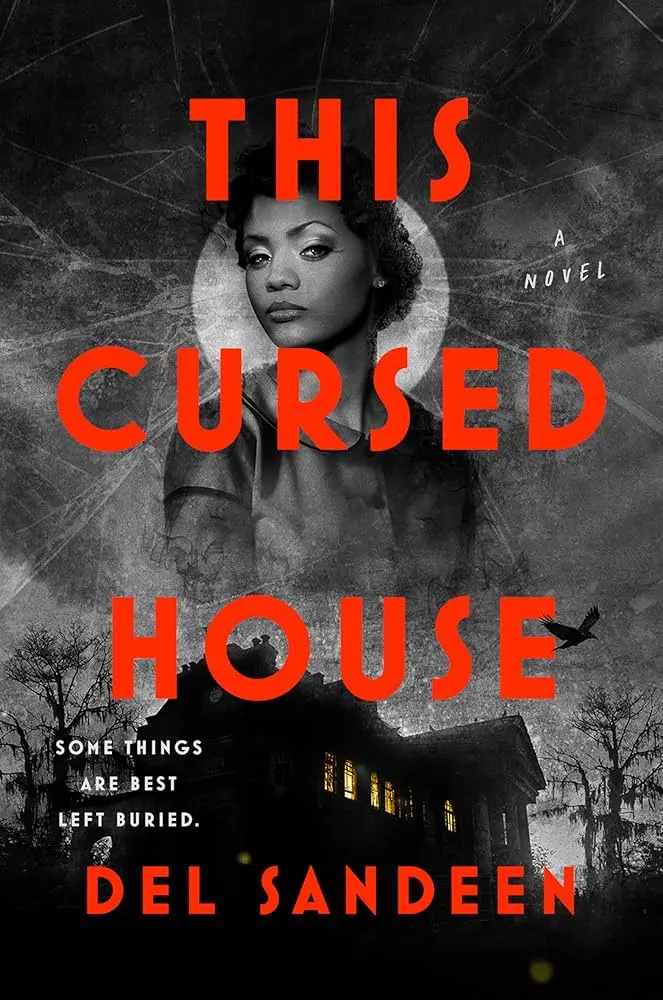
This Cursed House by Del Sandeen

This Cursed House, Del Sandeen’s debut novel, is a historical-fiction novel set in 1962 New Orleans. Gothic horror often focuses on decay, grotesque characters, and psychological terror, which readers will get plus more in The Cursed House.

Jemma, a light-skinned young Black woman from Chicago, gets a job in New Orleans working for the Duchon family. She accepts thinking it’s a positive change in her life, only to face prejudice from the Black family members due to her being “white passing.” Worse, Jemma discovers the family is cursed, and they think she is their only hope for saving them.

The horror in This Cursed House is steeped in racism and family scandal. It explores complex concepts such as generational trauma, colorism, and internalized racism in a way that breaks them down and lays them out for readers to confront. Sometimes it’s the characters’ stories themselves that haunt the narrative.

Honorable mention: The Bog Wife by Kay Chronister.

***

Southern horror is an emotionally rich genre that immerses readers in places full of culture and history. Folklore and cryptids, combative family trees, ghost stories, and magic are at the heart of Southern Horror as characters often find themselves fighting nature and the past. If you like ghostly, slow-burning horror, then dive into Southern horror this fall.

Discover more creative works to set your reading list off right on the F(r)iction Log.

A Cliff in Norway

By the edge of a cliff in Norway,

three men are sitting on a bench:

one of them hasbegun to shout

at the man in the middle, saying

that he has made a great mistake

in publishing his book in French,

as it denotes that he has no concern

for who might understand it, even

if he has titled it Quelqu’un, as surely

he must have hoped that someone

exists to show any response to it.

But in the midst of his outburst, the man

is conquered by the other’s silence,

that offers no retort to his rebukes,

to leave him with the impression that

only that which is worth saying must

be chased regardless of its utterance.

Nevertheless, his rage, proportionate

to his veiled admiration, increases,

and with a shovel lying next to him

he strikes a sudden blow

at the man’s head, who tumbles down

the bench as if he’d been dead,

before he is thrown off the cliff.

Immediately regretting it, the man

can’t peek from the cliff peak, in fear

that he might slip to follow after him,

as he now has the feeling that he had

been witnessing his fall and not the man’s.

He rushes down a path by the cliff side,

to reach the man who is now floating

with his face down upon the surface

of the bright sea, girt by the boulders

at the feet of the cliff, on top of which

the third man verges to survey the steep

with a grim laugh that echoes through the rocks.

The man approaches the still body

to see that he’s alive and yet unable

to counter with hisstirs the lulling waves;

but by his side, upon the mantle

of strewing blood enveloping the water,

seven fishes buoy the currents to remain

immobile under his attentive gaze,

all of them shining with the glinting of

a precious stone, of different colors,

together mirroring in their array

the spectrum that revives the rain

with the arched smile of a sown rainbow

In his amazement, the man knows

that these are the seven planets, turned

into the notes that in all things are tuned,

to extricate from matter the commotion

that strings the firmament with the felt joy

of any single star reflected in the dance

according distances to resonance.

The man tries to reach out to touch

the biggest of the fish, whose shimmer

of an ignited ruby shines above

the rest, while giving them their lustre,

but he can’t grab it, and as he moves,

the water breaks in wrinkles that dismiss

the fishes from his vision.

In clear discomfort, the man turns

toward the body next to him, to see

for the first time that he’s the man

that laughed from the cliff top before,

to recognize him as his father,

who at his wonder smiles and says:

“Is this not the composition of the waters?”

14.2.XX

We were together for five years. I had never loved such a woman before. She’d braided my hair. Given me my favorite flowers. Red roses. I would accept no other color.

Three weeks ago, she left me for someone else. Older. Attractive. Better. A man.

Two days from now is my procedure and I’ll be the only one left within my memories.

I’m scavenging through the lies scratched into “love” letters and burning the clothes she abandoned. All traces of her should be gone, otherwise I’ll have a hard time recuperating after the procedure. This is not the first time I’ve had memory erasure. I’ve done this five times. The first time must’ve had something to do with my parents, then it must’ve been other women. I don’t remember. I shouldn’t remember.

After three days of clearing everything, the house seems abnormal. I tell myself that’s normal, it’ll be over soon. I browse my neglected bookshelf for something to read to heal from this exhaustion. My fingers scratch against something foreign. A black binder. It was never here before, or perhaps I never noticed it, but it’s certainly not mine. There’s nothing written on the outside of it. I flip inside to see a collection of dark maroon petals in penny sleeves, dates written on paper, tape over each one up until a month ago. My hands slow, trembling across each page until I find the first petal. I remember her confession. I remember her hiding her face with a red bouquet, failing to hide the nervous smile behind it. I remember how gentle her hands were when embracing me. I remember her nibbling on my neck when we cuddled. I remember how loud broken glasses were when we argued over her mother. I remember how our first mistake tasted like lemon candy. I remember how we walked to the edge of the school so she could cry in my arms fifteen years ago. I remember her long lashes when I looked at her from above. I remember the ache in my heart when I first sat next to her in class, and the cheeky grin on her face when she caught me looking.

I remember when I loved her.

And it was real.

A buzz shocks me out of my stupor. I pick up my phone. “Hi, this is Hermann Clinic, confirming your appointment for a procedure on the 14th?”

I look across my barren room. Then at the penny sleeves catching my tears. The ink bleeds slightly on one of the labels, spreading across the tape until it’s no longer beige.

“I’d like to cancel my appointment, please.”

I end the call and go to the storage room. Before I set it on a shelf, I place the binder against my face and close my eyes, “Thank you for having loved me.”

And I think I’m okay with that.

Made on Planet Earth

There was something to be said for Melania’s patient panel: it had breadth. She treated a wide range of traumas and living things. The latter feature of her practice got into gray territory when it came to certifications, but the lack of a certificate for each and every species she saw didn’t keep her up at night. No two patients were the same, their variety of compunctions and disorders and difficulties compelling her through their surface-level yap and garbage as she revealed the cure to whatever ailed their true and dark hearts.

That being said, she wasn’t entirely sure how the human found her. She’d thought humans had been extinct, or were at least extremely endangered, for good reason.

Still, “don’t believe everything you read” and all that, so she opened her calendar and then her door when the human walked in.

Due to her lack of experience with this type of patient, Melania focused on their name: Taylor. She offered a practiced smile and gestured to the couch across from her. Taylor sat back on their haunches, their odd mammalian limbs sifting restlessly in their lap.

They walked through the requisite caveats: introductions, safe space, get to know one another, I’m here for you and what you need.  The silence settled around them, not uncomfortable but not quite warm; Melania mirrored Taylor’s gesture of limbs on lap. A bit awkward as she had quite a few more than the human.

“What brings you here today?”

Taylor blinked. Shifted a bit, then opened and closed their mouth, reminiscent of a prehistoric fish. What an unattractive set of teeth, Melania observed.

“It’s just, there’s a second-hand store that opened down the street from me. I walk by it every day to go to work.”

A bizarre turn already. No mention of family trauma yet but Melania knew they’d get there eventually. They always did.

“Anyway, it has, like, rare things in it? Old things? Borderline illegal things now? Like, I don’t know if you remember when they used to make handbags out of…” Taylor ran their phalanges over their bare arms.

Oh. Oh dear, Melania thought. 

“Anyway, I made the mistake of going in.”

Oh dear, oh dear.

“Like before, their existence took up zero brain space and now, it’s all I think about.”

Melania could not offer lobotomy or shock therapy. Nor could she provide a drug to make Taylor forget what they’d seen.

“I see,” Melania said panicking internally.

There was no guidebook for this, but there was always visualization. So, she asked Taylor for a happy memory, perhaps with other humans, perhaps at a mall. Humans loved malls.

“There’s never been anyone else,” Taylor said. “I’m the only one left.”

To this, Melania had no answer.

Dear Hiring Manager,

Having stumbled upon your job listing, I am beyond delighted to be applying for the open position of Supply Chain Lead with Tollman Creamery. I believe I possess qualities which make me a strong candidate. If you will, grant me a moment of your time, and I shall enumerate my qualifications below.

Previously, I worked at Emple Footwear Inc. as a Quality Control Technician. Daily, I would audit footwear products for quality defects, generally by way of burrowing inside them and inspecting the material with my sensory organs. Other responsibilities included inputting the results of my investigations into our ERP system and liaising with Scheduling and Production teams to ensure quality standards. These responsibilities honed my attention to anthropomorphism and my ability to maneuver around desktop computer systems which dwarfed my physical dimensions. Prior to my time in manufacturing, I grew accustomed to tapping vegetative detritus to produce acoustics that would attract female members of my species. This perfectly translated to success in typing, and I can boast a speed of twelve WPM, which is excellent given my small stature and the limited span of my prothoracic appendages.

After six weeks with Emple Footwear, for the betterment of my career, I accepted a Procurement Analyst position at BleureXSC, a company that specializes in the production of lathes. In my role, I exercised linguistic and bipedal fluency while on-boarding new suppliers, ensuring that they adhered to our documentation policies, and managed scheduling and reporting for our workflows. As a nymph, it was admittedly sometimes difficult to be taken seriously by colleagues, a large subset of whom considered me nothing more than evidence that our shared office required fumigation, but this challenge is what spurred me to pursue APICS certification. I am happy to report that I am scheduled to take the CSCP Exam this May, and that I fully intend to pass, despite the timing with my final molt being less than ideal.

Should you be willing to hire me to work at Tollman Creamery, I can ensure physiological hardiness, circumspection, sociability, and an unkillable determination as your dedicated employee. Frankly speaking, the lifespan of my kind is only three to six months. I humbly hope you magnanimously allow me to offer my complete willingness to marry the remainder of my limited time on Earth to your enterprise. Gainful employment is the soul of persistence, and whether or not I have an immortal soul, like you, I have legs, I have eyes, I have an MBA and a beating heart, all of which want nothing more than to be put to use for the sake of security, significance, a salary, and perhaps (management willing) even an occasional sample of your product.

I thank you for your time, empathy, good-will, and consideration. Feel free to respond to me using the email address and phone number found on the header of my resume (attached). Idiomatically speaking, I hope to hear from you soon.

Kind vibrations,

Geremy Blatt

October Staff Picks

Bea Basa

Pentiment (2022)

It’s not often a narrative moves me enough to warrant a permanent memento, but Obsidian Entertainment’s Pentiment (2022) has found a way—both in tattoo form and, more profoundly, in “emotional imprint” form. Lead writer Josh Sawyer (of Fallout: New Vegas fame) weaves a tale of change, conspiracy, and chronicle. And good lord, did it make me weep.

Set in 16th century Bavaria, Pentiment begins as the Middle Ages reach their final chapter. Players control journeyman artist Andreas Maler, who works as an illuminator in one of Germany’s last remaining scriptoriums, Kiersau Abbey in Tassing. But just as his apprenticeship nears completion, a murder shakes the small town—and is blamed on Andreas’ mentor, Brother Piero. It’s up to Andreas to clear his name and, in the coming years, unravel a much more sinister conspiracy in Tassing.

But make no mistake: this is no murder-mystery. Rather, Pentiment examines history as storytelling. How stories can transform as they pass down through the ages, the cyclical nature of life and death, and what it means to craft a legacy. Andreas’ story itself is a triptych illustrating three chapters of his life and involvement in Tassing across twenty-five years. His artistic occupation is reflected in the game’s manuscript-esque visual style; and as he and other characters change, hurt, and age, so do their colours. Like its namesake pentimenti, traces of paintings layered below a fresh piece, Pentiment places players at a temporal and emotional crossroads—and, I reiterate, it makes you care so fucking much.

If you, too, enjoy sobbing over the passage of time, Pentiment may just be the game for you.

Nate Ragolia

Chainsaw Man: The Movie – Reze Arc

If you’re into anime, odds are good you’ve already checked out Chainsaw Man. As the surprise hit of the fall movie releases, Chainsaw Man: The Movie – Reze Arc continues the show’s inventive storytelling style by steering directly into a genre Denji has yet to experience: Romantic Comedy.

The film, like the show, deftly juggles genres as it starts out as many Chainsaw Man episodes do before quickly clearing the table to treat you to an all new type of meal. The moment Denji meets Reze recalls all the meet cutes from film and literary history. Reze appears to be a bit of a manic pixie dream girl type, but Denji isn’t immediately smitten and even tries to resist her obvious flirtations.

And it’s all handled so nicely that the viewer gets comfortable, along with Denji, in this new normal. A girl actually likes Denji. Denji might be experiencing something like true love for the first time. And that’s when the film takes a stunning horror turn that invokes moody, ominous thrashers. As Reze is stalked by a psychopath, our sense of serene infatuation turns to terror… and Chainsaw Man: The Movie – Reze Arc shows its true colors.

Where else can you get a truly sweet love story AND a man with chainsaw powers riding a shark monster into battle with a giant baby typhoon? The answer is nowhere else. Only this movie can do that for you, so don’t miss it. 

Kaitlin Lounsberry

IT: Welcome to Derry

Spin-off television of popular horror franchises seem to be having a moment across the major streaming platforms, to varying success. Hulu tackled Alien: Earth, Amazon gave I Know What You Did Last Summer a go, and MTV had a few enjoyable seasons of Scream: The TV Series, so naturally HBO had to join the ranks and throw their hat in the mix with IT: Welcome to Derry. As a mega horror fan, I’ve seen them all. Some I loved (Season 1 and Season 2 of Scream), some took a while before I got invested (*cough* Alien), and others probably should have never gotten the green light (I’m so sorry IKWYDLS). So where does IT: Welcome to Derry fall? Heavily on the love scale.

Though it should be noted the series has only released two episodes so far, but those two episodes have shown what can happen when a franchise is willing to fully commit to the world, characters, and stories they’re attempting to re-introduce. And IT is not an easy world to dive into. Arguably one of Steven King’s biggest hits, it’s already been readapted in 2017 and 2019 as a two-part, mega-Hollywood movie event. But IT: Welcome to Derry is going back in time and looking at earlier instances of Pennywise’s torment of Derry and its young inhabitants. It’s gory, it’s twisted, and it’s everything I’d expect from this world. And though we haven’t gotten to spot Pennywise yet (reprised by Bill Skarsgård, who is also executive producing), the team behind this series clearly understands what kind of haunted tomfoolery its audience wants to see.

There are rumors of what’s to come… rumors of heavier horror and whispered promises we’ll deep dive into why Pennywise loves his clown form above all. And if the first two episodes are any indication of what’s ahead, viewers are in for a bloody, nightmare-fueled treat.

Human CC-8

Stitching together human skin in a lab coat with goggles and white gloves, past the stage of playing with it as flappy capes and pretending to be Incredibleman. It came in different shades and was draped over the person once they were finished being made in the bio wombs, the great tubes humming above the stitching floor.

Human CC-8 stitched carefully, his hands steady from lessons learned from an undesirable. This would be his greatest creation. Around him, rows of fellow stitchers worked in silence, heads bent, eyes dulled by routine. He stitched the first letter—C—then glanced to Human CC-12, who stitched mindlessly, not seeing. The second letter—R—then Human CC-15 looked up curiously, their gaze sharp before it slipped away. The third, the fourth, the fifth, the sixth. CC-8 looked again at CC-12 and met eyes that held nothing, a hollow reflection of the human that once was. Fear slid cold through him and his hand moved faster. As he began the seventh letter, the air vibrated with a low whir. The bot was coming—a floating gray sphere with a single red eye, whirring with violence.

“Human CC-8, let me inspect your work,” it said. He froze. He remembered the first time he had been lasered, when he dared to listen to the undesirables whispering of freedom and faces. He knew he was done. After this, they would strip his skin and grow a new, obedient one. But then CC-12 spoke. “That won’t be necessary,” he said, voice calm and mechanical. “He was correcting a dermal alignment error. I verified it.” The bot hesitated, processing. “Proceed,” it said, and drifted away. CC-8 exhaled, trembling. His needle dipped slower now, every second heavy. The timer above blinked—five minutes left. He wouldn’t finish.

CC-12 stood suddenly. “Inspection call,” he said, and walked away. When he returned, something was off. His gait was heavier. He passed CC-8 without a glance, no scan or reprimand. For the first time, CC-8 was invisible. He took it. His hands flew, quick and sure, the needle flashing through flesh. The word formed beneath his gloves—C R E A T I V E—each letter forbidden, but alive. He could have stopped there, but the pull was too strong. With the last of his time, he stitched a face, imperfect, but human, flawed, beautiful. The hum rose again. The bot returned, red eye blazing. “Inspection.” CC-8’s blood went still, but CC-12 stepped forward, voice even. “I have been observing. No irregularities.” The bot scanned, then dimmed. “Confirmed.” It floated away. The sound of machinery engulfed them again. CC-8 stared at the skin before him, the stitched word glowing in sterile light. CC-12 leaned close, voice low and human now.

“Remember what I told you,” he whispered. At his collar, the seam of his skin had split slightly, showing real flesh beneath. CC-12, the perfect model, was one of them.

The same undesirable who had once told him they could be creative.

Hand Wash Only

Left forgotten in the washing machine

A lone sock without its twin

You careless human, you

Under the guise of responsibility 

You put me through the wringer so callously

My other half languishes under your bed

Neither of us yours to clean 

And yet!

Stripped off without warning

Me and my sister, mourning

By our owner true

Who slept in your bed till noon

Maybe it’s at her I should be mad

When she left so soon still scantily clad

But it’s you who didn’t stop her

Instead raised your voice, encouraged her

Roused her with an angry shout,

“My wife will be home soon, get out, get out!”

So I tumble in your washing machine,

Jostling between boxer shorts and lacy briefs

My sockish threads unravel

No longer will I travel

Helpless as you dispose

My sister into the trash

As though it’s where she rightfully goes

Pretty

“We’re leaving in ten!” He calls from the other room.

I don’t bother responding. I tap my fingers on the bathroom counter, scrutinizing my reflection. I think I’ll do blue eyes today. No—green. Perfect.

I plug in my beauty products, and gulp down a concoction of coffee and little white pills. The Dyenator 300 pings with a green light. I stretch my eyelids taut so the Dyenator’s microneedles can search for my irises. I spasm when the needles kiss the wet flesh then hammer into the tender tissue.

I screamed the first time I tried it.

My eye sockets felt as if they were melting away. But afterwards, like now and every time in between, seeing the mud brown eyes I’ve always hated melt away to a vibrant green made the pain a whisper of an afterthought.

Eyes still burning, I start on my hair. I flick through the implant options on my phone and find the long golden waves I was looking for and hit Upload to the Plate! Tufts of hair stab hotly through my scalp, and I wince. In a puff of processed plastics, flowing locks of gold drape across my shoulders. You get used to the synthetic smell.

All that’s left is my new product. The one he bought. I take a few steadying breaths as I stare at it. It’s easier to slip on than it should be, the corrector securing tightly around my waist with a single tug. I set the dial to hourglass beauty, and the iron corset begins to push in around my lower ribs and waist. My fingernails scrape against the bathroom countertop as the pressure increases, forcing the breath out of my lungs. I bite my lip as I fight through the panic, hysteric thoughts bubbling as I remind myself I’m fine, this is okay, I’m going to be so beautiful after this—

A rib pops. Then another. A scream wrenches from my throat. Air catches, my chest locking around the pain.

I’m on my knees when the corrector finally releases its hold. I’m reaching blindly for another handful of pills when my eyes land on my reflection in the mirror.

I see a doll. The same doll I had when I was young, one pulled apart by our family dog and stitched back together with spare parts, over and over again. I haven’t seen the doll since. But now—

His low voice echoes once more through the doorway. “Hey, you ready yet?” he asks.

I’m thankful that the Dyenator singed my tear ducts shut a long time ago. Because instead of tears coming from this unfamiliar face in the mirror, it’s a smile. A wide, white smile, one that never quite reaches my red-lined green eyes. But he won’t notice.

“I’m ready!”

Give Them an Inch, Run a Mile

The trainers said the first surgery would be the hardest. They were right, but I should’ve asked what they meant by “first.” An extra muscle here, a bone reconstruction there, and an enlarged heart to top it off. A little help never hurt anybody, they said. You’ll be a scientific trailblazer. Though as I stared at my reflection, I looked farther from something worthy of celebration.

The overgrown heart in my chest thundered as anxiety started to zip through my veins, as if my body knew what was about to happen before I did. The door burst open behind me and a rush of assistants flooded the room. Two tugged at my coils and tied them into two puffs atop my head, another pair rubbed oil on every inch of exposed skin until the dark brown was glistening and slick. My spine straightened as hands of the last one ran down my back, brushing down the hair that’d begun to sprout.

Her hands migrated lower, running along the spoil of my most recent surgery. She smoothed the hair on my newly acquired tail, and the sensation was unlike anything I’d ever known. The appendage as foreign to my brain as it was to my eyes. She trimmed the ends and put it back down, allowing me to sag into my chair.

“You’re good to go, Mel. Coach should be in soon.” She snapped her fingers and the army of assistants filed out. The door didn’t have a chance to close before the click of Coach’s dress shoes sounded behind me. Here we go.

I stood from my chair, much quicker than I intended—damn these new muscles—and turned to face him. His beady eyes inspected me as one would their prized mare, and I fought the urge to tuck my tail between my legs. He’d tell me to be proud of what I’d become, but I would’ve kept my Achilles torn all those years ago if I’d known it’d lead to me to become a what.

He finished his perusal of me. “Ready to shock the socks off the stadium?” he asked, his proud smile made me feel anything but.

More like traumatize. “Yes,” I said, steeling my face.

I followed him out the door and down the dark hallway. The cheering washed over me as I got my mind right. Before the accident, I could tell myself it was just 400 meters, then I could return to my normal life, but that wasn’t an option anymore. The only normal parts I had left were already on the chopping block.

I stepped onto the track. The cheers died as shock ripped through the crowd.

The sun was blinding.

The announcer was the last thing I remembered before the adrenaline of the race wiped everything away. “And for her Olympic debut, Mel Jones—the world’s first human hybrid!”

September Staff Picks

Franchesca Nicole Lazaro
Anaïs Nin: A Sea of Lies

Anaïs Nin: A Sea of Lies by Léonie Bischoff, translated by Jenna Allen, is a graphic novel that left a terrifying impression on me. I’ve been collecting pieces of Nin’s works and biographies for a deep dive, but I first encountered this book at my local library while I was picking up a hold. Reading it before diving into her own writing gave me a powerful glimpse into the struggles that shaped her voice.

What struck me most was how Bischoff depicts Nin’s inner life. The pacing follows Nin’s shifting relationships with her husband, Henry Miller, June Miller, her father, and others, while weaving in her conflicts over art, sexuality, and selfhood. The illustrations move fluidly between grounded scenes and surreal, dreamlike imagery, echoing Nin’s own literary style. 

For me, the book clarified not only why Nin wrote the way she did, but also how much her life was entwined with her art. It made me reflect on how interpersonal relationships and emotional pain shape creativity in ways that are both generative and haunting.

I’d recommend this graphic novel to anyone curious about how relationships, sexuality, and abuse can influence art. Brace yourself: it challenges how you think about intimacy, expression, and what it means to make art out of life.

Melissa Chew

Alien Stage

If you love battle royales, doomed romance, and finishing a story that tells yourself “we live in a society,” do I have the show for you. Alien Stage recently finished its first season, leaving me sadder than when I started, and singing it’s OST like I’m back in my 2015 Hamilton phase (my favorite song is Wait for It). Expect tears in the later episodes but trust me—the pain is worth it.

The plot revolves around aliens enslaving humans and dragging them into their planet to serve as pets. Because of humans’ “beautiful voices,” aliens send their pets to compete in the Alien Stage with musical training from youth in the Anakt Garden. The competition is a year-round robin to the death where the best singer survives their way to achieve “freedom.” This dystopic, idol-themed animation is an excellent subtextual commentary on society, freedom, and love, portrayed beautifully through unreliable narrators and weave-ins of lore, lyrics, and genius imagery.

Once I started, I couldn’t stop. I broke out in cold sweats thinking what could possibly happen next while somehow grooving to the songs in the episodes (and later singing them in every karaoke bar when I had the chance.) Expect to be indecisive about who your favorite character or pairing is because the cast and their relationships are so well written and hidden with immense lore that the theories compete with the lorecrafting fans of Five Nights at Freddy’s.

Gosh. Now I want to rewatch Alien Stage.

Mika Ellison

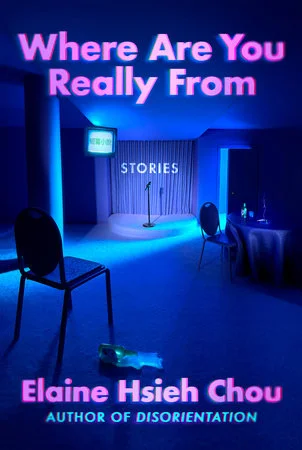
Where Are You Really From

I recently read Where Are You Really From, the new short story collection from Elaine Hsieh Chou. I loved Disorientation, her debut novel, because it was an absolute page-turner, but also has this beautiful quality of feeling like Chou was holding up a concept and turning it so that it reflected the light in new ways, refracting into different colors and shapes.

The stories in Where Are You Really From do the same thing, which features themes of family estrangement, American citizenship, and self-alienation. Chou’s stories draw you in by their overwhelming feeling of normalcy, even comfort. They are replete with familiar settings, from jobs to apartments to movie sets; it feels as though you could slot right into the background of her character’s lives—in fact, maybe they’re in the background of your life, just under your radar. Then, so slowly you don’t notice it, the story begins to dip into the realm of the strange and absurd. Before you know it, it’s difficult to tell what’s real and what isn’t. Somehow, Chou is able to slip in the weird and bizarre exactly where we don’t expect it, where, like an optical illusion, it lurks in our blind spot until we realize it’s been there the whole time. She also writes about the magical elements of her stories with the same knowing, clear, eye as she does the rest, until everything feels equally absurd, from the strangeness of meeting a parallel-universe version of you to the sudden, wrenching absence of a childhood friend.

Olivia Ocran

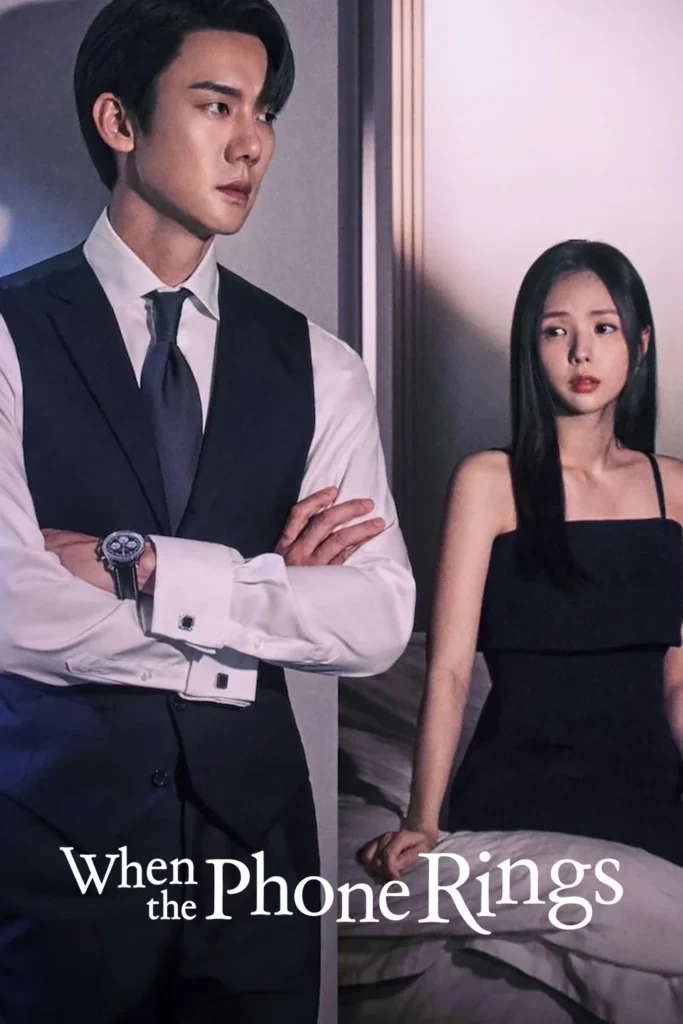
When the Phone Rings

Before I tell you about this show, it’s important you know I am the worst at watching any TV series. There are plenty of shows I’ve loved and binge-watched for days on end, just to abandon them a few episodes from the finale. I don’t know why I do this, but When the Phone Rings was not a victim of my erratic TV consumption.  

The twelve-episode series follows a married couple searching for the identity of their blackmailer who communicates through anonymous phone calls, while repairing their marriage before divorce becomes the only option. For those of you (like me) who fancy action-packed, fast-paced shows such as Alice in Borderland and those who love to see a character receive exactly what’s coming to them like in Girl From Nowhere, and those who love a swoon-worthy romance to weave it all together, When the Phone Rings is perfect for you! This show strikes a perfect balance between joining the ranks of the popular k-dramas we’ve all come to know and love, and a thriller that has you at the edge of your seat by the end of the episode.

Taylor Pittman

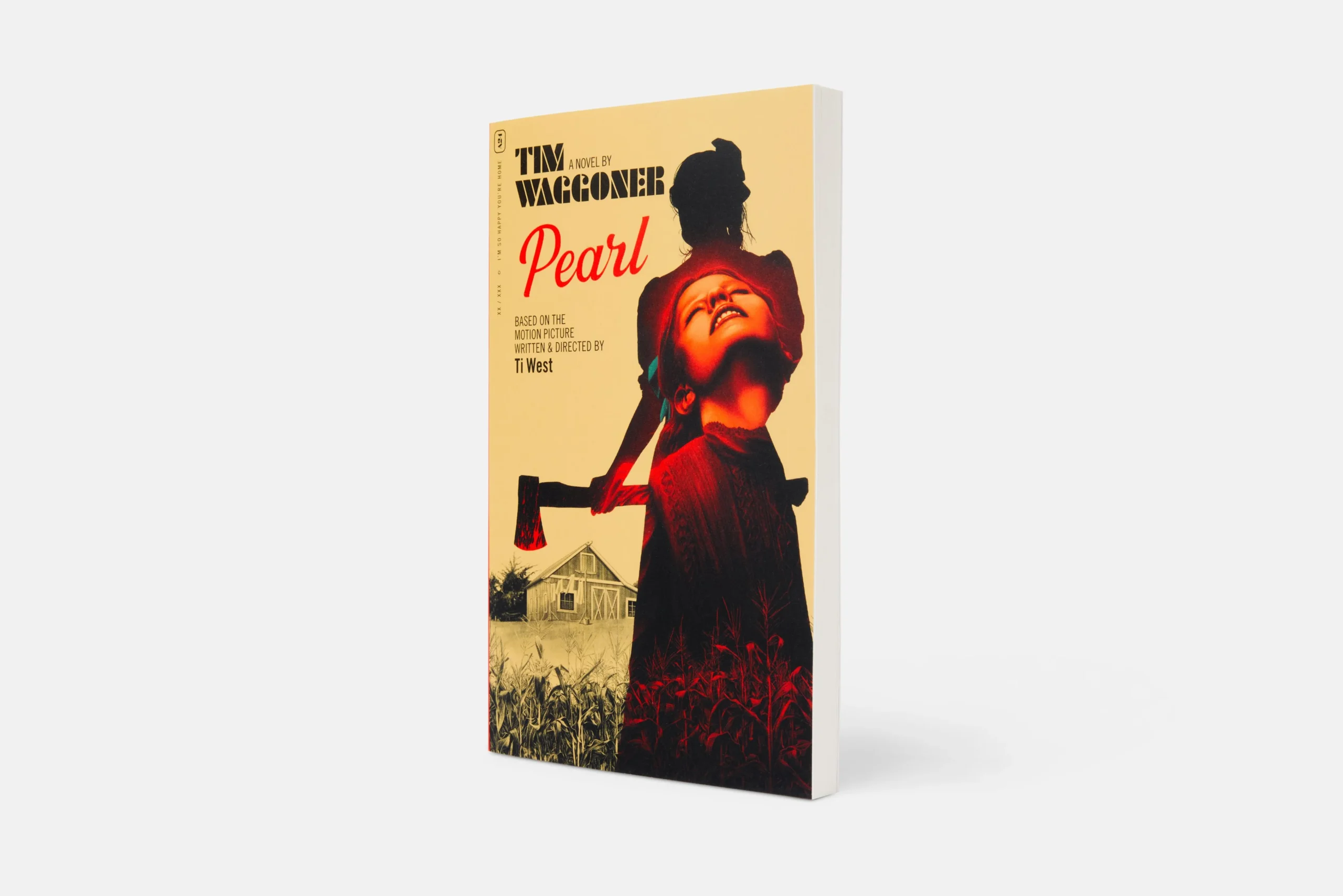
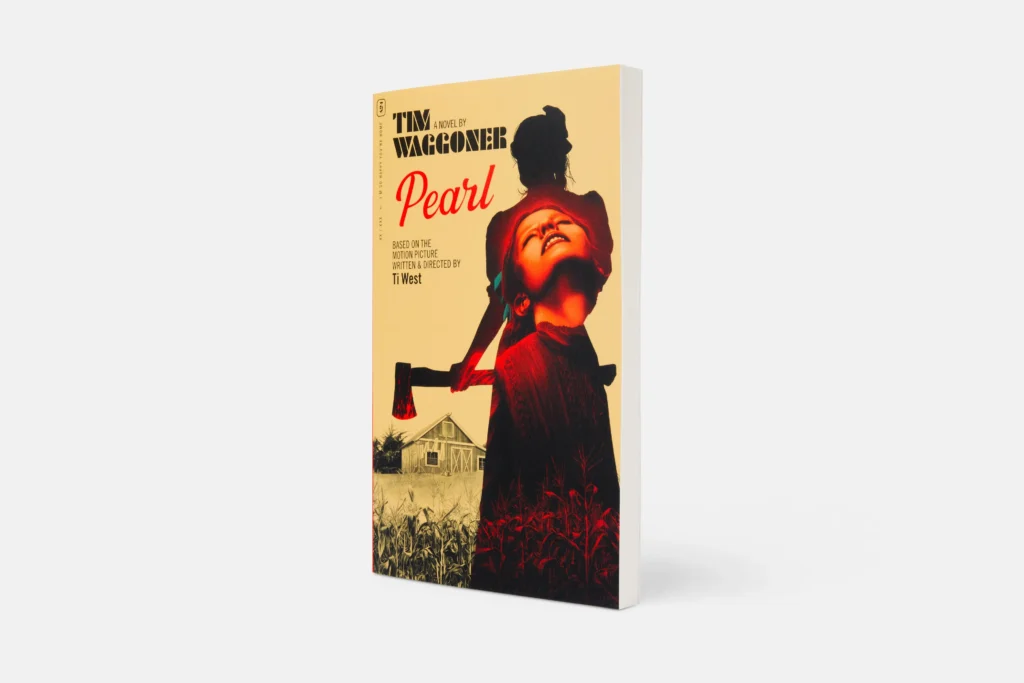
Pearl: The Novel

Pearl, the film, was released in 2022 and featured one of the best modern female slashers brought to screen. I was a little late to the game, but Tim Waggoner released a novelization of the film, and I read it a couple of weeks ago. The novelization follows a young woman from East Texas as she dreams of becoming a movie star in 1918. She lives with her overbearing (yet neglectful) mother, sick father, farm animals, and pet alligator. However, the story takes a dark turn as we quickly realize Pearl has violent tendencies and a desperate need to get away from home. Still, I found myself sympathizing with her at times as I saw how her family treated her and her childlike desire to follow her dreams.

Mia Goth’s breathtaking performance was missed, but Waggoner still brought Pearl to life in a new way as we get insight into her descent to madness and craving for blood lust. Pearl is a twisted, complex character that explores how nature vs nurture influence a person to become something inhumane. Family trauma, a global pandemic, and isolation push her to the edge. Waggoner is no stranger to film-to-book adaptions, and I was thrilled when I saw he took on Pearl. He also did novelizations of the other two films in the series, X: The Novel and MaXXXine: The Novel, which I will definitely be reading.